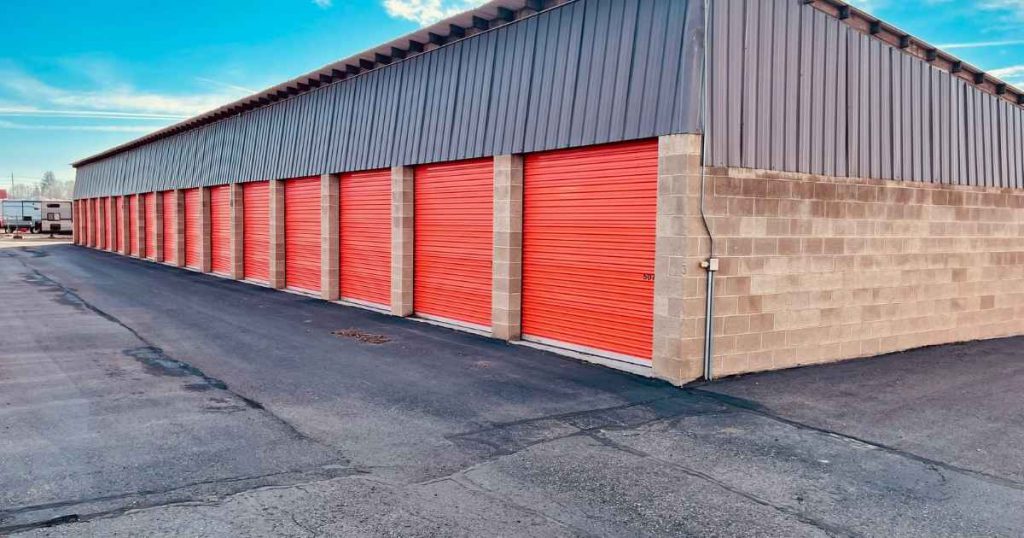
- How Do You Pack for Storage?
- How Do You Pack Boxes for Storage?
- How Do You Pack Clothes for Short-Term Storage?
- How Do You Pack Hangers for Storage?
- How to Choose the Right Short-Term Storage Unit
Life can serve up plenty of reasons for short-term storage. Whether you’re transitioning between homes, temporarily relocating to care for a loved one, or embarking on an extended vacation, the goal is the same: keeping your belongings out of the way for a bit and in the same condition that you left them in. And the biggest factor in making that happen is how you pack.
How do you pack for storage? The trick is that there isn’t much difference between packing for short-term versus long-term storage. After all, you want your items to stay in top-notch condition no matter how long you keep them in your storage unit.
In this guide, we’ll walk you through how to pack for a short-term storage rental—from choosing the right boxes and materials to expert packing tips.
Get Your Items Ready for Short-Term Storage
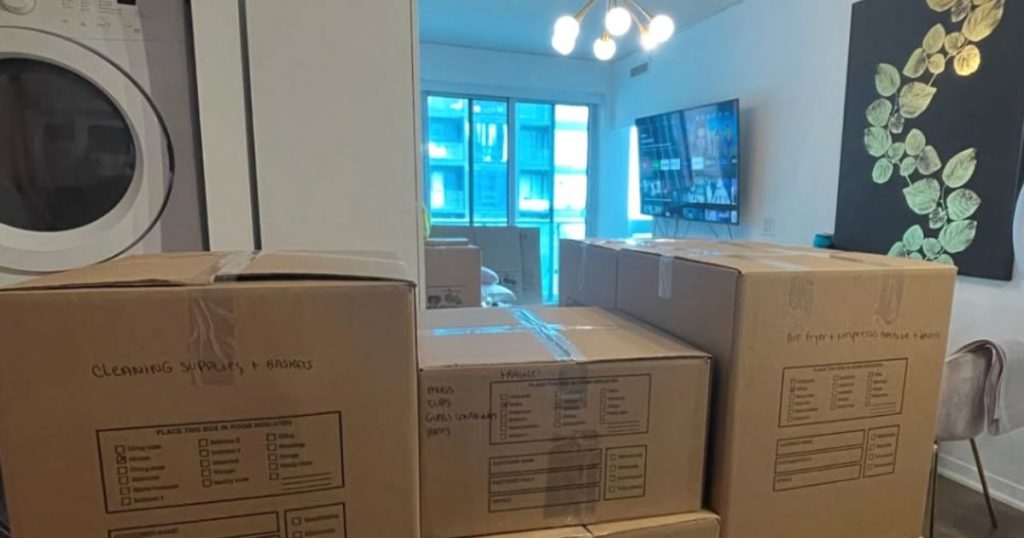
Before you box things up, take a moment for a little pre-storage preparation. This is a chance to declutter, clean items, and ensure everything is ready for storage.
These extra steps at the front end will streamline packing and reduce the risk of damage to your items.
- Declutter First: Sort through all your items and divide them into three piles: “Toss,” “Donate,” and “Storage.” This ensures you don’t take up valuable storage space with items you no longer want or need.
- Clean the Items: Wipe down your furniture, appliances, and electronics. Vacuum upholstered pieces and rugs. Wash linens, curtains, blankets, and towels to prevent odors from setting in while stored.
- Dry Each Item Thoroughly: Make sure there’s no dampness on any of the items you’re packing. Moisture can lead to odors, stains, corrosion, warping, or deterioration—even during short-term storage.
- Disassemble Parts: When possible, remove fragile or bulky attachments from your furniture pieces (e.g., remove legs from tables). Then, bundle these parts in heavy blankets or other cushioning materials. Disassembly will make it easier to transport large items and maximize storage space.
- Treat Delicate Materials: Apply a climate-resistant polish to wood, condition leather with a non-abrasive cleaner, and spray metal with a coat of rust-inhibiting primer. Cover electronics with thick foam sheets or anti-static bubble wrap.
- Gather Labeling Supplies: Grab a permanent marker (and maybe some colored tape as well) to label each box as you finish packing it. A clear labeling system makes it faster and easier to retrieve items from storage when you’re ready.
How Do You Pack for Storage?
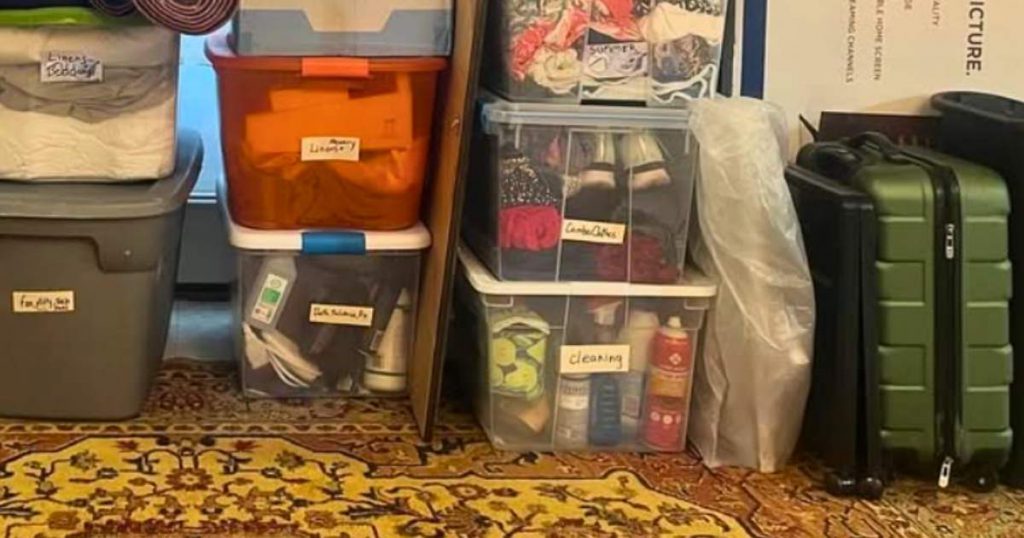
Now for the key question: What’s the best way to pack for storage? From seasonal clothes to large furniture items, it’s crucial to stay organized and efficient while maximizing space.
- Choose the Right Packing Materials: The more durable they are, the better. Use sturdy boxes, bubble wrap, mattress covers, packing tape, foam sheets, and charcoal or desiccant packets.
- Categorize Items into Groups: Batch items into groupings that make the most sense, then pack by category. Possible categories might include seasonal decor, electronics, and kitchenware.
- Maintain a Detailed inventory: Make a list of all items and which boxes they’re in (e.g., “Winter Coat, Seasonal Clothing Box”). Keep the list by hand, on your smartphone or tablet—wherever it’s easiest to access—and continually update it with each box you pack.
- Be Strategic With Stacking: When placing items in boxes, think about the weight distribution. Heavy items (e.g., books, small appliances, and athletic equipment) should be placed at the bottom. More fragile items (e.g., electronics, home decor, and glassware) are best packed at the top.
- Avoid Plastic Bags: Vacuum-sealed bags are a better alternative because they remove excess air and keep items compact. In a pinch, plastic bins with desiccant packets help maintain a fresher environment inside the container.
- Keep Essential Items Easy to Reach: Pack items that you’ll need the most access to in their own “essentials box.” Then label it accordingly so you know to place this box near the front of the storage unit for quick, convenient retrieval.
- Use Blankets or Furniture Pads: Wrap large items that won’t fit inside boxes with thick, durable blankets or furniture pads. This will help shield them from dust, scratches, and other potential damage.
How Do You Pack Boxes for Storage?

Using the right boxes and packing them properly are critical to ensuring items are well packed for storage, regardless of how long you plan to rent your unit.
- Select the Right Size: There are three main box sizes to choose from: small, medium, and large. Each is best for certain items, so it’s a good idea to stock up on all three. Here’s a basic rundown of what to pack by box size:
- Small: Books, canned foods, kitchen utensils, accessories, tools
- Medium: Home decor, cookware, electronic devices, clothing
- Large: Bulky—but light—items (e.g., pillows, duvets, curtains, winter coats)
- Reinforce the Seams: Attach a strip of durable tape along the vertical and horizontal seams of your boxes to strengthen them.
- Distribute Weight Evenly: Balance the weight horizontally across the box from left to right. If one side is heavier than the other, it won’t be able to hold its shape when you stack other boxes on top.
- Fill All Gaps: Use soft materials, such as newspaper, foam, towels, or bubble wrap, to cushion your items and fill any gaps between them. A tightly packed box means less risk of the contents jostling each other and getting damaged.
- Label Each Box Clearly: As you finish packing each box, label it on four sides. Also, note specific instructions if needed, such as “Ceramic Dishes, Fragile, Don’t Place Under Other Boxes.” You can also use colored tape for boxes in the same category (e.g., red tape for home decor). This makes it easier to locate items you need while in short-term storage.
- Stack Boxes Intentionally: Position items you’ll need to retrieve first near the front and items you won’t need along the back. Additionally, place the heaviest, sturdiest boxes on the floor to create a strong foundation, then stack lighter boxes on top. Leave enough space between stacks to move around the unit.
How Do You Pack Clothes for Short-Term Storage?
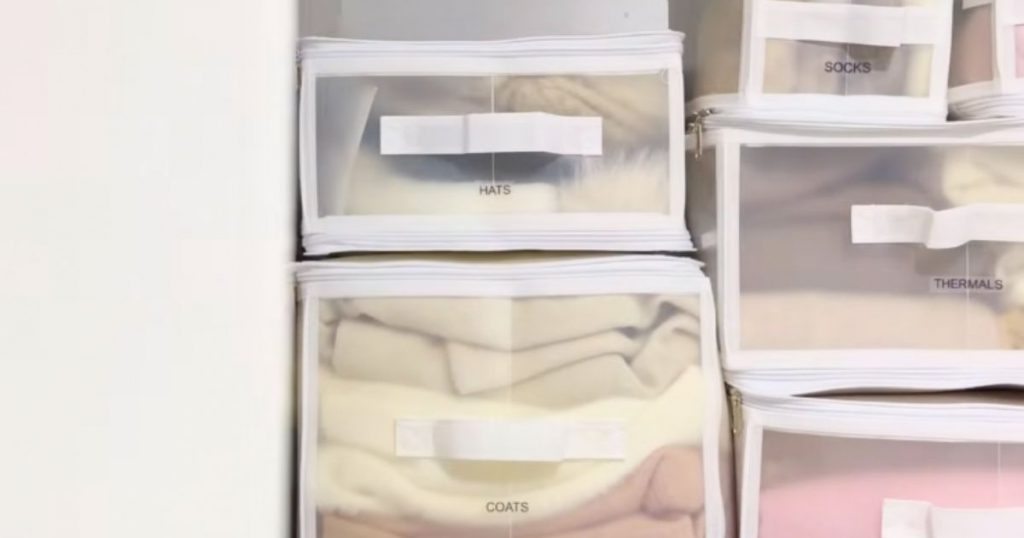
Clothes are among the most common items to store in short-term storage. The goal is to have them come out as clean and fresh as when you first boxed them up. So whether you need to clear some room in your closet or switch out your seasonal wardrobe, here’s a step-by-step guide on how to pack clothes for short-term storage.
Get Rid of Clothes With Stains or Damage
Don’t clutter your short-term storage unit with worn-out garments you don’t plan to repair. Before you start packing, toss any clothes that are beyond fixing. This will refresh your closet and ensure you have enough space to store all the clothes worth keeping.
Donate the Clothes You No Longer Want
Make a pile of clothes you’ve outgrown or no longer want, but that are still wearable. Place these items in a separate bag to donate later, so they can find a new home without using up your limited storage space.
Wash All the Clothes You Want to Keep
Clean, fresh clothes are less likely to trap odors, stains, dirt, or oils that can seep into fabrics while in storage. After washing each garment, make sure it dries fully before folding and packing.
Sort Your Clothes Based on the Season
Not sure how to store your winter clothing versus summer clothing? A helpful rule of thumb is to pack clothes by season—your spring and summer items in one group, and your fall and winter items in another. Label each box accordingly (e.g., “Winter Clothes and Accessories”), so it’s easy to swap out wardrobes as the seasons change. Learn more: How to Store Winter Clothing.
Select the Right Containers
Your main options are regular cardboard boxes, wardrobe boxes, or plastic containers. Cardboard boxes are cheap (or even free), accessible, and easy to label, but this material doesn’t always offer the best long-term durability.
Wardrobe boxes let you keep clothes on hangers to prevent wrinkles, but they also take up more space. Plastic bins are sturdy, stackable, and sometimes see-through, so you can see the contents—just make sure your clothes are fully dry before packing.
Give Your Clothes Room to Breathe
Choose containers that allow some airflow so fabrics remain in good shape while stored. Vacuum-sealed bags are another good option if you want to keep things contained, compact, and better protected from moisture. A few desiccant packets in your bins can also support a clean, well-kept environment inside.
How Do You Pack Hangers for Storage?

Chances are, if you want to know how to pack clothes for short-term storage, you’ll probably need to know how to pack hangers as well.
Hangers are one of the most commonly overlooked items in storage, yet they can take up a lot of space. Luckily, all it takes is a few extra minutes to organize them. Not only will this help maximize room in the storage unit, but it will also streamline unpacking.
Below are a few tips for packing hangers for short-term storage.
- Sort Hangers: Remove any bent or broken hangers, then group the remaining hangers by type (e.g., metal, wooden, and plastic).
- Bundle Similar Hangers: Use twist ties or rubber bands to secure each group of hangers before packing, so they won’t get tangled.
- Cover Sharp Edges or Metal Hook Ends: This will help ensure the hangers won’t puncture the side of a box or snag on clothes or linens during short-term storage.
- Pick the Appropriate Container: Make sure your container for hangers is the right size and type. Options include small or medium boxes, large canvas totes, and small garment bags. If you want more structure and organization, you can also use a hanger stacker or specialty hanger box.
- Lay Them Flat or Stand Them Up: The choice is yours: Bulky wooden hangers tend to take up less space lying flat in the box, whereas slim plastic, metal, or velvet hangers are easier to stand upright. Try different configurations to see which saves the most space.
How to Choose the Right Short-Term Storage Unit
Now that you know how to pack for storage, it’s time to select the right storage solution to meet your needs. Here’s a quick rundown of the most common options.
Size: Storage Locker vs. Regular Storage Unit
A storage locker is ideal for smaller items, such as clothes, small boxes, or light home decor. A typical storage unit, on the other hand, is ideal for items that require more space—for example, furniture and appliances.
Environment Type: Climate-Controlled vs. Standard Storage
Climate-controlled storage* is beneficial if you live in a climate with humidity or fluctuating temperatures. Examples of items that may need specific conditions include electronics, musical instruments, some textiles, antiques, and leather or wood furniture. Standard storage units can be a more budget-friendly option if your items don’t require a controlled environment.
Access: Drive-Up vs. Indoor Storage
Drive-up storage units make loading and unloading easier for heavy items, while indoor units offer an extra buffer from weather and outdoor elements.
Find the Perfect Short-Term Storage Solution at CubeSmart
Now that we’ve tackled the question of how to pack for storage, it’s time to put what you’ve learned into action. Whether you need a little space for several weeks or a lot of space for several months, CubeSmart offers short-term storage options to suit your needs. Find a CubeSmart storage facility near you.
* Storage unit sizes are approximate and subject to availability. Temperature and humidity levels within any storage space, including climate-controlled spaces, may vary.