- How Do Rooms Get Cluttered?
- How to Organize Your Room: Getting Started
- What Is the 1-3-5 Decluttering Rule?
- How to Organize a Room with Too Much Stuff
- How to Organize a Bedroom with Too Much Stuff
- How to Organize a Small Room With Too Much Stuff
- How to Organize Your Room So It Stays Organized
- How to Organize a Small Bathroom
- Using Self-Storage to Maximize Space
Organizing your room can feel overwhelming—especially when you’re juggling a busy schedule, limited space, and months (or even years) of built-up clutter. But getting organized doesn’t have to mean tearing everything apart or spending an entire weekend sorting through piles. With the right approach, you can break the process into manageable steps and create a space that’s tidier, more functional, and easier to maintain over time.
To help, we’ve compiled all of our favorite tips on how to organize a room with too much stuff. From how to approach small rooms to storage options for maximizing space, this step-by-step guide will help make your decluttering plans attainable and sustainable.
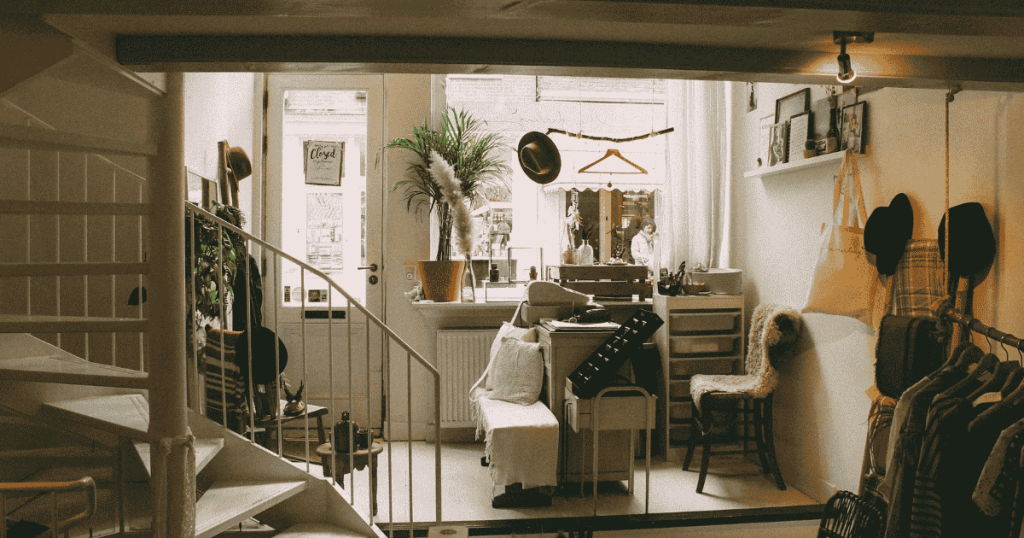
How Do Rooms Get Cluttered?
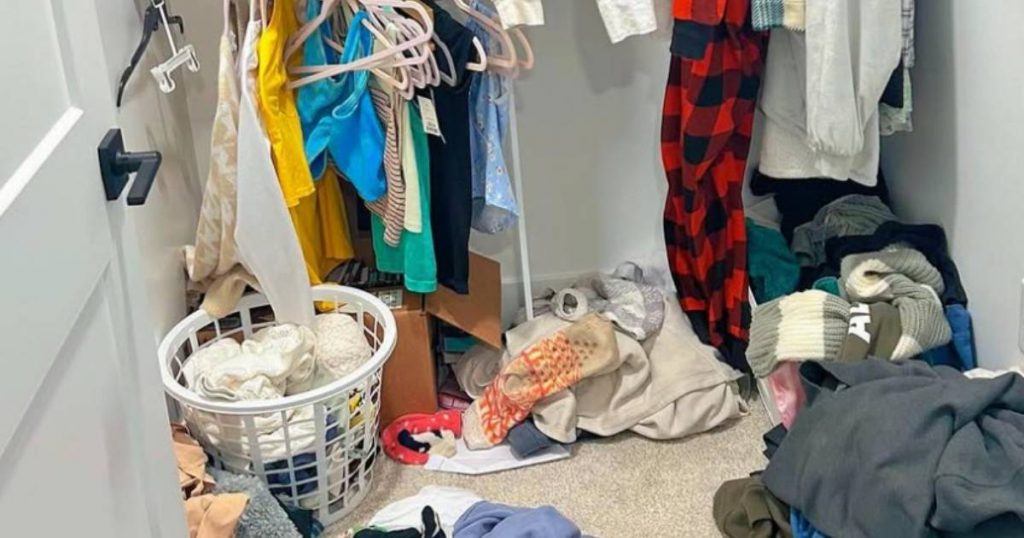
Clutter tends to appear out of nowhere, only catching our attention when we suddenly can’t get to the things we need. But the reality is that it builds up slowly over time. We hold onto items because they hold meaning, we plan to use them someday, or we’re unsure how to let them go.
Many rooms also lack clear storage. When items don’t have a designated place, they tend to land wherever there’s space. This is more common in small rooms, where storage options are especially limited. Seasonal items, such as winter clothing, sports gear, or holiday decor, can add to the clutter when there’s no designated spot for them between uses. Over time, we end up with a pile of items that never quite find a home.
Organizing clutter doesn’t have to be complicated. The trick to keeping things organized isn’t tossing out all your items or constantly tidying—it’s about creating systems that make your spaces work for you. That’s what this guide is all about.
How to Organize Your Room: Getting Started
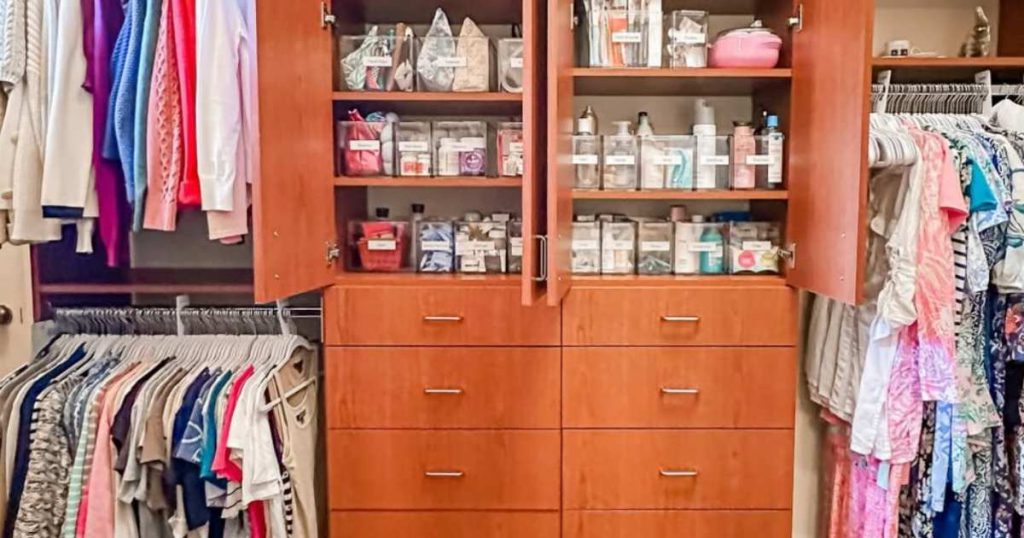
Before you dive into decluttering and organizing, follow these steps to help you lay the groundwork for success.
1. Take an Inventory
To get a clearer picture of what’s really hiding in the clutter, walk through the room and take note of what’s actually in the space. Laying things out on the floor or bed and grouping similar items together can make this easier and more effective.
This step may feel daunting at first, as it can make things look messier, but it’s all part of the process. While you’re taking an inventory, feel free to toss obvious trash or low-value items.
2. Visualize “Purpose Zones”
One of the best ways to organize your room is to visualize the room’s “purpose zones.”
Some examples of purpose zones are:
- Entryway drop zone for mail, bags, keys, shoes, and coats
- Hobby zone for creative projects
- Kitchen zone with sub-zones for meal prep, food storage, and dish storage spots
- Relaxing zone for movie nights
Identifying these zones will help you know how to organize your room in a way that flows with your needs.
3. Prepare Boxes or Bags to Get Rid of Items
Set up at least three boxes: one for donations, one for items you’d like to discard, and one for items you want to keep but don’t have a place for yet. These boxes will help you remove items from the inventory staging area and clear a path for more organizing.
What Is the 1-3-5 Decluttering Rule?
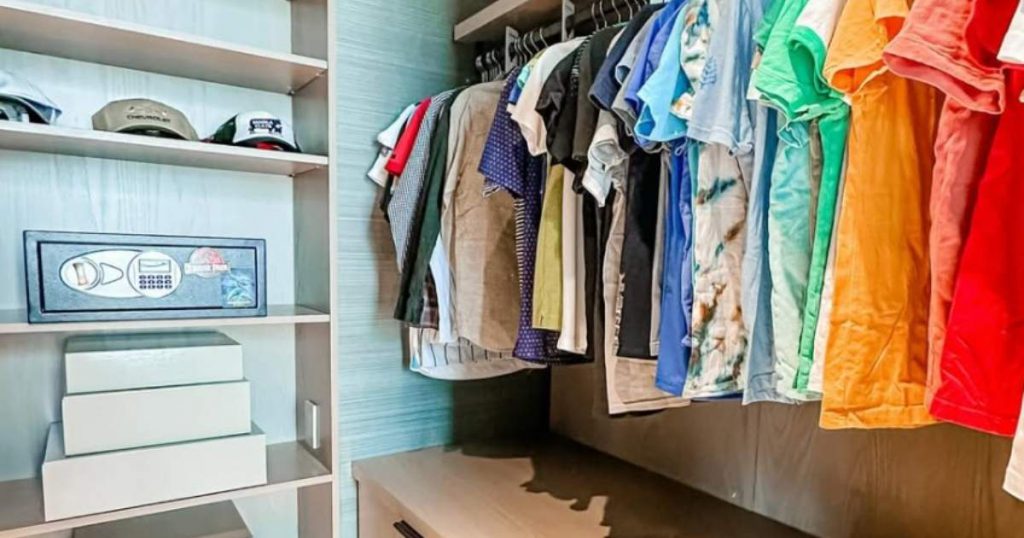
The 1-3-5 decluttering rule is a simple method for organizing clutter that breaks your work into manageable steps. In its most common form, it means getting rid of one large item, three medium-sized items, and five small items in a single session.
Another popular variation of the 1-3-5 rule focuses on projects instead of items. For example, the large task could be a closet clean out, while the medium and small tasks might include setting up shelving, grouping clothes by type or season, tidying stored shoes, or vacuuming the floor.
There are no wrong answers when using this method. The key is breaking down the process into simple, achievable steps so you can maintain momentum without getting overwhelmed.
How to Organize a Room with Too Much Stuff
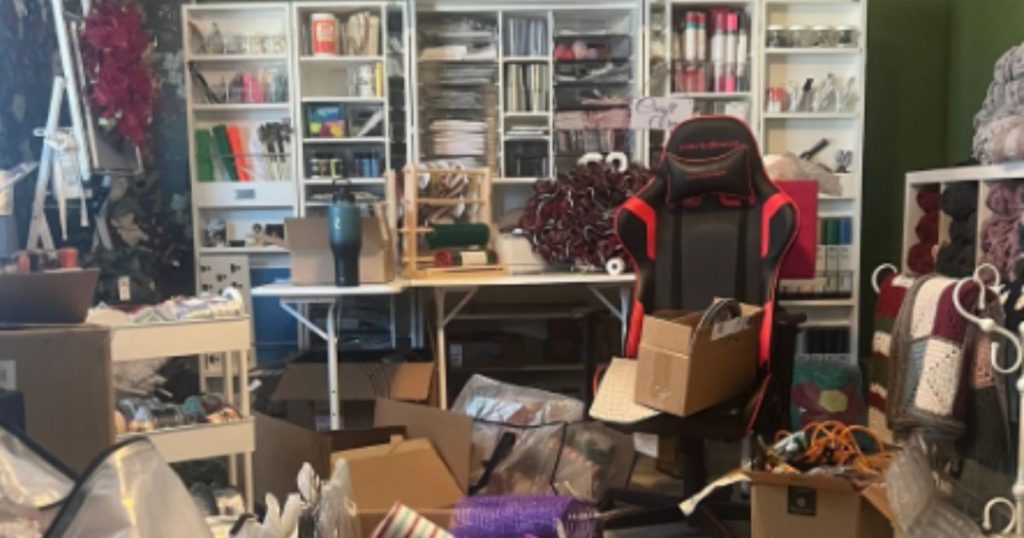
Too much stuff, not enough space? It’s no simple task trying to organize a room when it’s overflowing with items. Follow these steps to simplify the process for organizing any room in your house.
1. Sort Items Into Categories
Our biggest tip for how to organize a cluttered room is to sort items into the following categories:
- Highly used items (e.g., journals, books, favorite cookware, or everyday shoes)
- Occasionally used items (e.g., crystal glassware or specialty appliances)
- Rarely used items (e.g., seasonal gear and decorations)
These categories can help you see what deserves space in your room and what should be relocated or donated.
2. Get Rid of Duplicates
Do you own dozens of mugs but only gravitate to the same three every week? Or maybe you have several throw blankets but find yourself using only one. Don’t be afraid to donate those duplicates. When evaluating a “just-in-case” or rarely used item, ask yourself if you’ve used it in the last year or if you have plans to use it in the next six months. If the answer is no, it may be time to donate it.
3. Move What You Can to Storage
If you still have too much stuff and not enough space after getting rid of duplicates or other unwanted items, self-storage solutions could be a great option for things you still want to hold onto. Just be sure you know which items need climate-controlled storage.*
4. Know When to Take a Break
Decluttering involves a lot of taxing decision-making, and it’s not always possible to tackle these projects in a day or a weekend. To avoid burnout, break down tasks to ease the overwhelm.
If you’re finding yourself hitting a wall, take a break, but don’t let the project stall for too long. Avoiding prolonged procrastination brings you that much closer to your goal of a sustainably organized space.
How to Organize a Bedroom with Too Much Stuff
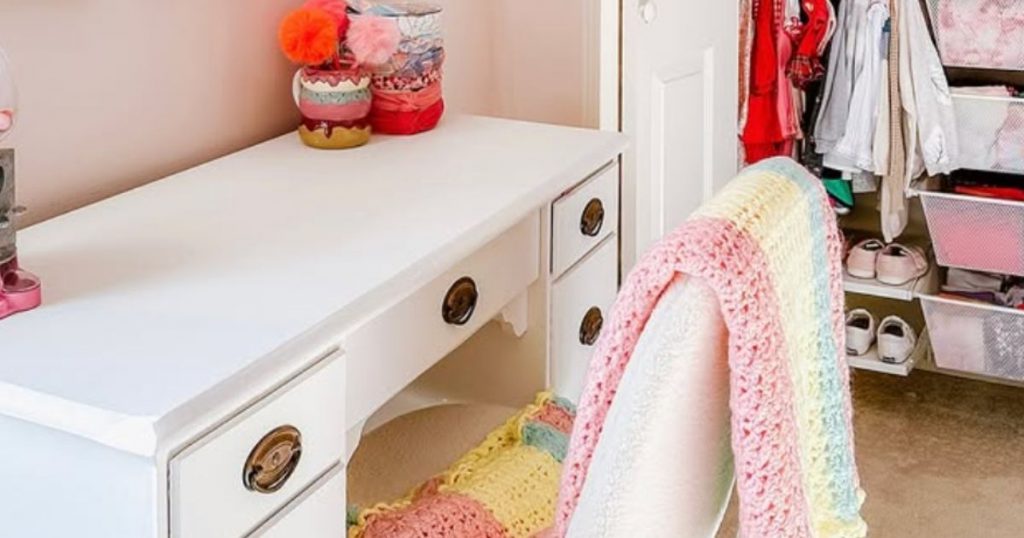
Because they’re more private and often include closets, bedrooms are especially prone to building up clutter.
The best tip on how to organize a bedroom with too much stuff is to move through the room step by step, instead of trying to do it all at once. Use this approach to work through a cluttered bedroom at a steady pace:
1. Start with Clothes
Purge items in your closet that don’t fit, have holes or other damage, or don’t suit your style anymore. For the pieces you want to keep, organize them by type to make folding and hanging easier.
2. Declutter Surfaces
It’s surprising how many random items accumulate on bedroom furniture like nightstands and dressers. Walk through the bedroom, removing items that don’t belong on surfaces and placing them in a box for later sorting. Toss any garbage while you’re at it and take dishes back to the kitchen.
3. Add in Storage Options
Under-bed storage is an ideal place to store out-of-season clothing or spare bedding. Other storage options like shelf dividers, drawer organizers, and over-the-door shoe organizers can help you maximize space.
4. Move Furniture to Maximize Space
You’ll want to keep all walkways as open and unobstructed as possible. Consider removing nonessential furniture, like armchairs, and opting for pieces that can double as storage, like an ottoman with built-in storage.
5. Find a Clear Home for Essential, High-Use Items
Make sure you have essential items like bedside lamps, alarm clocks, and phone chargers placed in convenient spots. Consider placement hacks like putting your laundry hamper next to your dresser so dirty clothes stay contained whenever you change.
6. Sprinkle in Sentimental Items Sparingly
A small number of keepsakes can make a bedroom feel more personal and restorative. But try not to overdo it—too many items can make the space feel cluttered again.
How to Organize a Small Room With Too Much Stuff
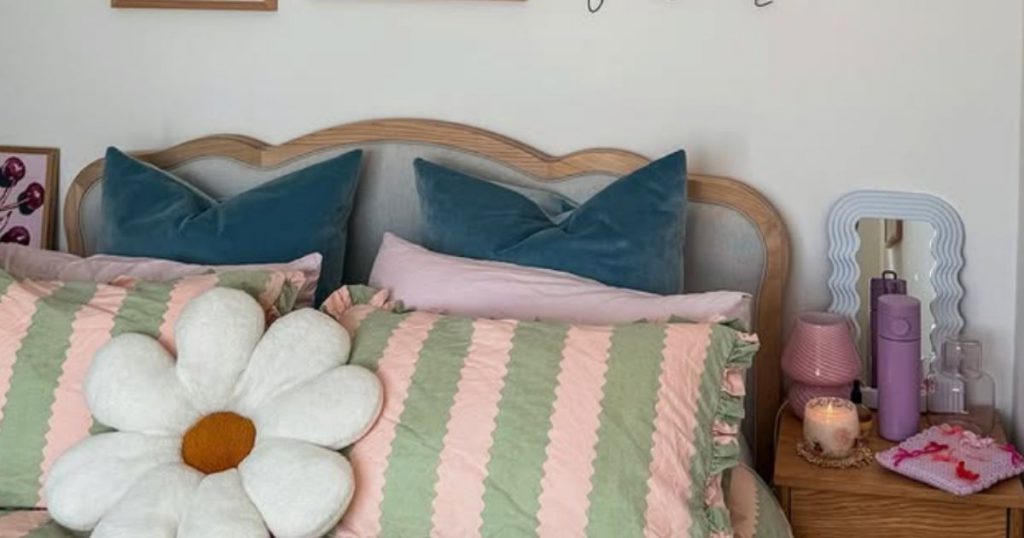
While larger bedrooms offer more flexibility with furniture and storage, every item and layout choice matters in a small room.
When figuring out how to organize a small room with too much stuff, the goal is to make storage work for you without overcrowding. Here are some tips to make it easier:
1. Transform Walls and Doors Into Usable Space
One of the most effective ways to organize a small room, or any room at all, is to think beyond floor level. In small rooms like offices, try adding a pegboard to hang tools or notes. Floating shelves and over-the-door racks can also help expand storage space without adding more furniture. These are perfect for office supplies, books, and other items that need to stay within reach but off the floor.
2. Choose Multi-Purpose Furniture
If you must add more furniture to the room, choose pieces with built-in storage, such as couches with undercushion storage. For closets, consider modular closet systems, stackable containers, and drawer organizers to keep items from getting unruly.
3. Do a Test Run
As you work through ways to organize your room, try doing a test run between zones. For example, if you’re at your desk, test walking to each storage zone that you may need to access on a given day. If you find yourself getting tripped up or needing more space, you may need to adjust the layout.
4. Reclaim Space with a Storage Unit
When a small room starts to take on the vibe of “too much stuff, not enough space,” it can be a sign that oversized, rarely used, or seasonal items are taking over. Moving those belongings into a self-storage unit can instantly free up room and make your space feel more livable.
How to Organize Your Room So It Stays Organized
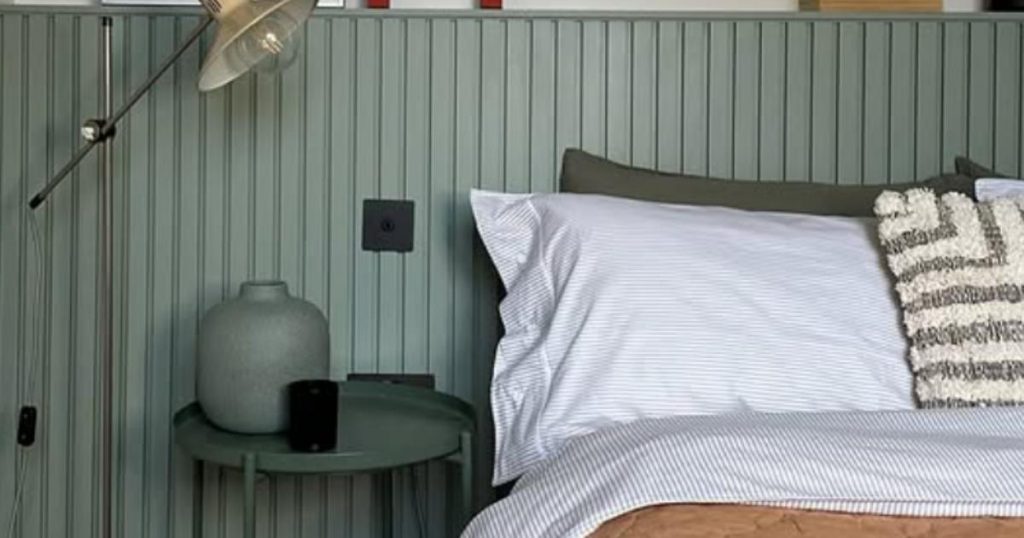
Learning how to organize your room is only half the battle. The real win is setting up your space with systems that naturally support your habits and routines, making it easier to organize clutter regularly. The following strategies help rooms stay organized for the long haul.
1. Remember the Zoning Method
The same zoning practice that helped you while decluttering your space can also help you keep things tidy long-term. For instance, treat your hobby zone as a dedicated space for activities like art, and avoid letting mail, bills, and other important documents pile up there. Instead, stack those documents neatly at your desk until they’re resolved, trashed, or moved into long-term storage. When everything has a designated home, it’s a lot easier to keep a room clutter-free.
2. Use Clear, Stackable Bins with Labeling Systems
When storing items, use clear bins so you can easily see what’s in them. Stackable plastic bins are especially useful for saving space. When stacking them, add labels or color coding tags to help you identify the container you need at a glance.
3. Build Two-Minute Daily Reset Habits
Small daily habits, like a two-minute reset, can help prevent small messes from becoming major clutter projects. A two-minute daily reset is exactly what it sounds like: a quick, focused tidy that you do once a day to reset key areas of your home.
At the end of each day, set a two-minute timer and focus on one or two high-touch areas, such as your nightstand, dresser top, or entryway. Put items back where they belong, clear obvious clutter, and straighten what’s already there. When the timer goes off, stop—you’re done.
If you’re not sure where to start, ask yourself:
- What zones in my home will I use most tomorrow?
- What items tend to pile up there?
- What quick cleanup would make tomorrow feel easier?
These short resets aren’t about deep cleaning or perfection. Done consistently, they help keep clutter under control and make your space feel calmer day to day.
4. Adopt the “One In, One Out” Rule
Another strategy to help keep things organized is adopting the “one in, one out” rule: For any item you bring into your home, you must get rid of something else. This simple system can prevent items from piling up over time.
How to Organize a Small Bathroom
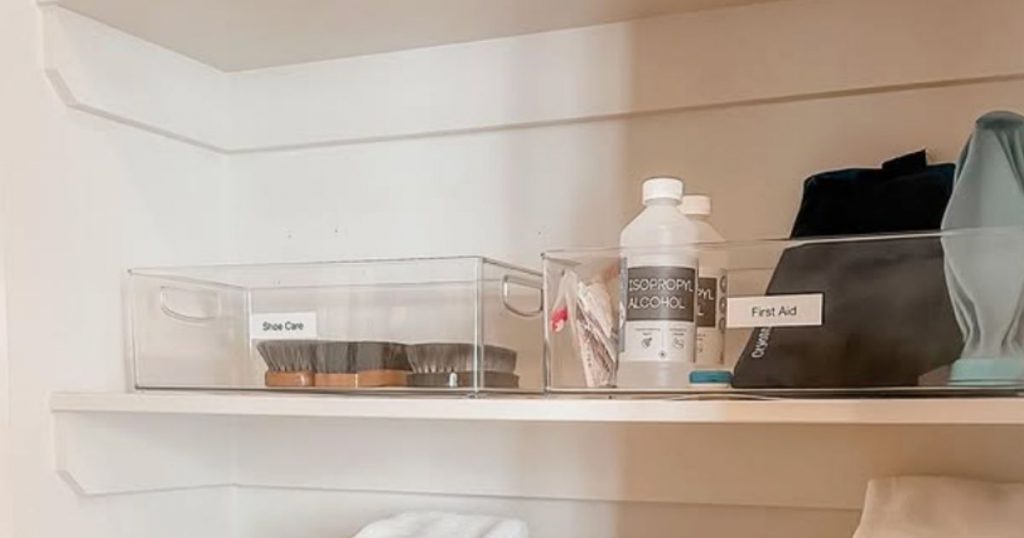
Smart organization is crucial for keeping small bathrooms functional and clean, especially if you share the space with others.
Here’s a simple process on how to organize a small bathroom so it stays efficient and clutter-free.
1. Declutter and Toss as Much as You Can
Expired or partially used products are the biggest culprits of bathroom clutter. Clear out as much as you can and remove any non-essential items.
2. Make Zones by Purpose
Place your daily essentials in one easy-to-access location, such as a bin, then create zones for other items like cleaning supplies and extra toiletries.
3. Maximize Vertical Space
If your small bathroom doesn’t have a lot of storage, consider adding hooks, door racks, or an above-the-toilet organizer to maximize vertical space.
4. Choose the Right Containers
Clear containers, drawer organizers, and Lazy Susans can keep items in bathroom drawers and cabinets contained and easy to find.
5. Create Reset Habits
Sometimes all it takes is a couple of daily or weekly habits to keep your small bathroom tidy. For example, keep your countertop clear by storing daily items elsewhere, or make it a habit on Saturday evenings to tidy surfaces as you run a rejuvenating bath.
Using Self-Storage to Maximize Space
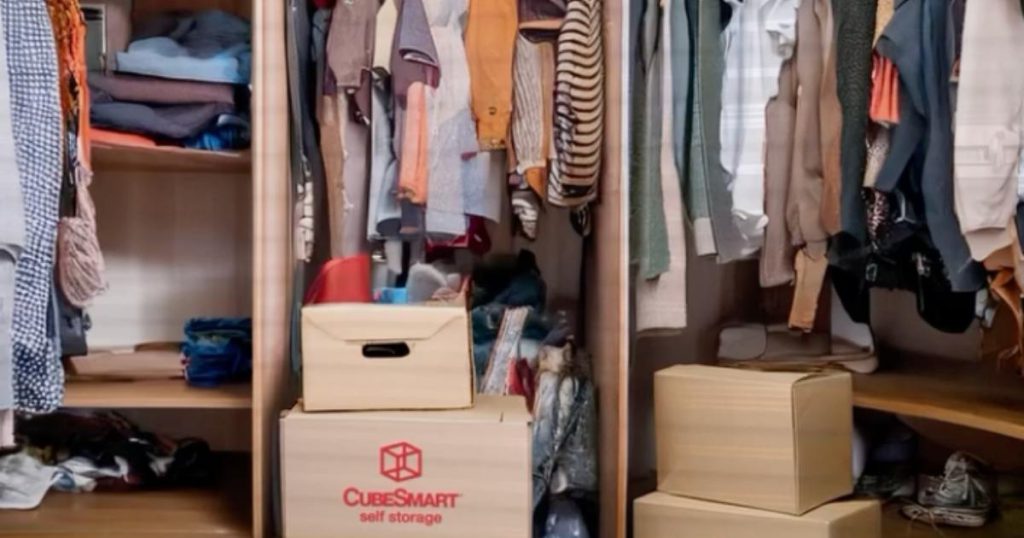
If you’ve tried the decluttering strategies above and you’re still struggling with too much stuff and not enough space, a self-storage unit might be the best practical solution. Here are our tips for using self-storage to make the most of it.
1. Keep Your Home Space Functional
Instead of cramming seasonal decor, sports gear, or collectibles into every available corner, move these occasional-use items into a self-storage unit. Even that armchair you took out of your bedroom could be stored there.
2. Rotate Items as Seasons Change
Switch out the summer camping gear and other warmer-weather recreation items in your home with holiday decor and ski gear from your storage unit as the weather cools. That way, your home stays stocked with the things you need and stays readily accessible, without unnecessary items cluttering it.
3. Store Items During Transition Periods
During moves, renovations, or major decluttering projects, it can help to temporarily store items that are meaningful but not used day-to-day. Items such as memorabilia, photos, and vinyl records take up space and require thoughtful sorting, making them good candidates for climate-controlled storage* until you have time to review them properly.
4. Incorporate Sustainable Organizational Habits
Within your storage unit, group items into clear zones so everything has a defined place. Labels or color-coding stickers on clear plastic containers are especially helpful. If you opt for color-coding, keep a legend of all the colors and their meanings within the storage unit to remind you next time you visit.
Keep Your Rooms More Organized with CubeSmart
Learning how to organize your room doesn’t have to be difficult. With the right organizational systems, any room, no matter how cluttered or small, can become tidy and purposeful.
If you’re looking for self-storage solutions to help support your long-term organization goals, CubeSmart offers a variety of storage options for seasonal and rare-use items and more. Find a CubeSmart storage facility near you.
*Storage unit sizes are approximate and subject to availability. Temperature and humidity levels within any storage space, including climate-controlled spaces, may vary.