9 Things to Know About Living in Boston
Pros and Cons of Living in Boston
Get Ready for Your Move to Boston
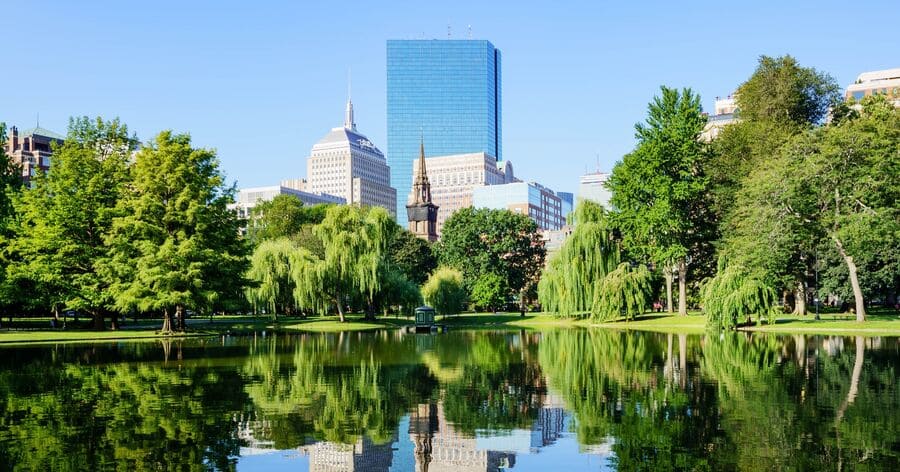
While Boston winters can be long, the city’s character and charm more than make up for it. Think brownstones and old church bells, biotech offices, college kids hauling mattresses up triple-decker staircases, and Red Sox fans pouring out of Fenway after a game.
Some people move here for the Boston job market and universities. Others come for the walkability, history, and easy weekend trips around New England.
This guide breaks down what to know before moving to Boston, including the Boston cost of living, housing market, neighborhoods, and some of our favorite moving tips.
9 Things to Know About Living in Boston
Boston is a city where entire neighborhoods center around college schedules, moving trucks get stuck on Storrow Drive every September, and happy hour has been illegal since 1984.
Also, Boston opened the country’s first subway system in 1897, and this system, known as the “T,” still shapes daily city life. Some days, commuting is a breeze. Other days, delays can make a short commute take twice as long.
These quirks are part of what makes Boston unique, but they’re only a small part of daily life here. Before you make the move, here are nine things to know about living in Boston.
1. The Boston Cost of Living Is High Compared to Other Major Cities
The Boston cost of living is driven by housing. A one-bedroom apartment averages over $3,500 a month. And many newcomers don’t realize that broker fees often amount to one full month’s rent upfront.
Still, people keep moving here because the Boston job market pays nearly 20% more than the national average. If you want a one-bedroom in a central neighborhood with money left for Bruins games, weekend trips, and dinners out, you’ll need to earn around $133,600 a year.
2. Boston Weather Is Unpredictable, No Matter the Season

Boston’s weather can change on a dime in any season, and winter can stretch longer than expected. Heavy coats and boots stay by the door from November through March, when Boston averages nearly 50 inches of snowfall each year.
Summers are typically hot and humid, with average July highs around 83°F. During these warmer months, many Bostonians head to Cape Cod’s sandy beaches for relief. Early fall brings warm days and cooler nights, and residents make the most of the season best known for leaf-peeping and apple picking.
3. The Boston Housing Market Is Highly Competitive
There’s no denying that the Boston housing market is expensive. The average Boston home value sits around $786,200. That’s down slightly from last year, but buyers still face bidding wars in popular neighborhoods and limited inventory of move-in-ready homes. Triple-deckers, brownstones, and small apartments dominate much of the city, and forecasts suggest that home prices will remain high into the coming year. Renting is also pricey, with rates for even studio apartments approaching $3,000 a month. Upfront broker fees only add to the price tag of living in Boston.
4. The Boston Job Market Is Innovative Across Industries
A diverse group of industries makes up the Boston job market. Healthcare, biotech, finance, robotics, and higher education are all strong sectors. Kendall Square in Cambridge is one of the biggest biotech hubs in the country, and the Seaport and Longwood Medical and Academic Area continue to add research labs, hospitals, and tech offices.
The average salary in Boston is $94,000, which is higher than in much of the country. Despite the higher earning potential, Boston’s high cost of living can offset those earnings. What salary is needed to live in Boston? In general, around $133,600 is required to live comfortably in Boston as a single renter, and for a family of two working adults with two children, that figure rises to $352,100.
5. Boston Public Schools and Universities Drive the City’s Culture
Living in Boston means living among students, as some of the world’s best schools and universities are located here. Harvard and MIT are in nearby Cambridge, while Boston University, Northeastern, Emerson, and Berklee call the city of Boston home. For secondary education, Boston Latin School is one of the most well-known public schools in the country.
The large student population can crowd the trains during the school year, but it also adds diversity and lends a youthful energy to the city.
6. Boston Public Transportation Makes Car-Free Living Possible
Many living in Boston get by without owning a car. Neighborhoods like Back Bay, Beacon Hill, Cambridge, and Somerville are very walkable and have convenient access to the T and commuter rail. Most residents prefer public transportation over dealing with constant traffic and winter parking bans.
7. The Best Places to Live in Boston Depend on Your Lifestyle
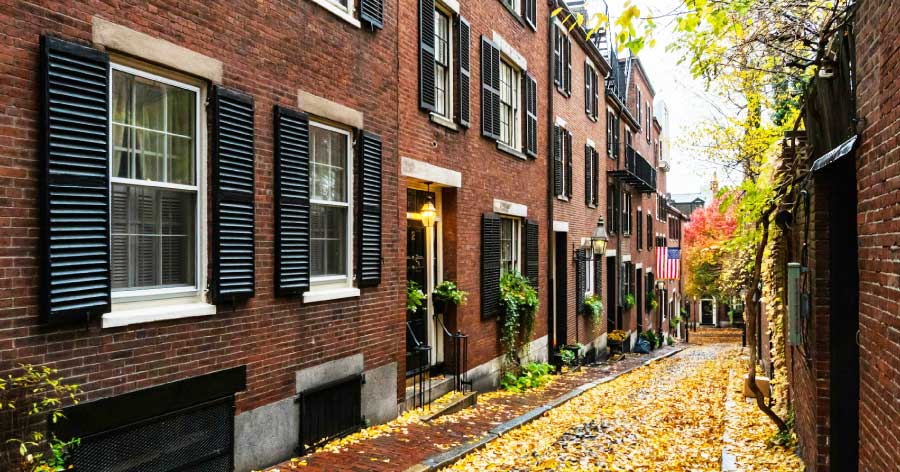
Some Boston neighborhoods revolve around nightlife and rows of apartment buildings, while others feel quieter and more residential. Here are three of our top neighborhood picks for different lifestyles. For a deeper breakdown of local housing costs, commute times, and neighborhood personality, check out our guide to the best neighborhoods in Boston.
Best for Families: Jamaica Plain
Jamaica Plain, known as “JP,” is very different from neighborhoods near Downtown Boston. Here, you’ll find parents pushing strollers around Jamaica Pond, kids climbing the rocks near the Arnold Arboretum, and a busy Centre Street with ice-cream joints like J.P. Licks instead of sports bars. Older triple-decker homes with small backyards are the norm here.
Best for Singles and Young Professionals: South Boston
Southie is where the young people are. The neighborhood revolves around Downtown and Seaport work schedules. Come Saturday, you’ll see lines outside of the Lincoln Tavern & Restaurant and Loco, or a crew of folks hitting a workout class on West Broadway. Be mindful that rentals move fast here.
Best for Retirees: Beacon Hill
While this neighborhood is pleasantly charming for anyone, it’s especially ideal for retirees. Charles Street has small bookstores and cafes. You’ll also find old neighborhood pubs, and Boston Common is just a short walk away. Brick row houses line the streets and gas lamps lend the neighborhood a quintessential Boston vibe.
8. There’s Always Something Going on in Boston
The moment temperatures approach 65 degrees, everyone wants to be outside. Fortunately, there are plenty of things to do in Boston. Catch a Red Sox game at Fenway, kayak along the Charles River, or stretch out on the grass in the Public Garden while Swan Boats drift past. Here are some of our favorite picks:
Fun Things to Do in Boston for Young Adults
- Catch a Red Sox game and enjoy sports bar vibes around Fenway Park
- Hop between bars, live music, and nightlife on Lansdowne Street
- Crush a cold one at a brewery in the Seaport
- Take in a concert at MGM Music Hall
- Enjoy summer nights along the Harborwalk
- Partake in a Celtics or Bruins playoff watch party in Southie
Fun Things to Do in Boston for Kids
- Check out sea life at the New England Aquarium
- Explore interactive exhibits at the Boston Children’s Museum
- Meet a variety of critters at the Franklin Park Zoo
- Cruise Boston’s waterways on a Duck Boat tour
- Relax on a Swan Boat in the Public Garden
- Learn about lightning, robotics, and more at the Museum of Science
Fun Things to Do in Boston for Free
- Walk the Freedom Trail
- Watch outdoor movies on the Esplanade
- Explore Boston Common and the Public Garden
- Watch planes land from Castle Island
- Take in street performances at Quincy Market
- Hike the trails at Arnold Arboretum
9. Boston Sports Culture Runs Deep
Even for people who don’t follow sports, it’s hard not to absorb the enthusiasm for local teams after moving to Boston. You’ll be sure to hear lots of sports analysis at your local Dunkin’, and Fenway can turn complete strangers into best friends for three innings.
Pros and Cons of Living in Boston

Boston is a vibrant city that offers something for history buffs and sports fans alike. At the same time, tiny apartments, congested streets, and confusing parking rules can be taxing.
Pros of Living in Boston
- Historic architecture and rich local character
- Strong job market across healthcare, biotech, finance, and tech
- Easy access to Cape Cod, Maine, Vermont, and New Hampshire
- Some of the country’s best hospitals and schools
- Public transportation on the T and commuter rail
- Walkable neighborhoods
- Major sports culture around the Red Sox, Celtics, Bruins, and Patriots
- Numerous concerts, museum exhibits, and local events
- A great food scene, from North End Italian spots to late-night roast beef shops on the North Shore (check out our guide on the best restaurants in Boston to learn more)
Cons of Living in Boston
- High housing costs
- Extremely competitive and pricey rental market
- Small apartments and older housing stock
- Broker fees that add thousands to move-in costs
- Long winters with snow, slush, and everything in between
- Confusing parking rules
- Traffic around I-93, Storrow Drive, and Downtown
- Aging infrastructure and occasional subway delays
Is Boston a Good Place to Live In?
Yes, Boston is a good fit for many, especially those who value walkability and neighborhoods with a strong sense of identity over endless sprawl. While the cost of living is high, many residents find the city’s thriving job market, top-tier universities, and walkable historic neighborhoods well worth the tradeoff (as long as they don’t mind the long, cold winters).
Tips for Moving to Boston

1. Plan for Limited Storage Space in Boston Apartments
Many apartments in Allston, Beacon Hill, and the North End barely have enough closet space for winter coats, let alone skis, bikes, or moving boxes. Additionally, basement storage varies greatly from building to building, especially in older triple-deckers around Jamaica Plain and South Boston. For this reason, climate-controlled storage units are common around Boston.*
2. Be Prepared for Boston’s Unpredictable Weather on Moving Day
Boston weather does whatever it wants, and moving day is no exception. You might start carrying boxes in a T-shirt and end the afternoon hauling your stuff through cold rain in a poncho. During the winter months, snow, slush, and icy sidewalks can make moving day even more challenging.
3. Coordinate Logistics Before Moving Day
Be sure to plan your move-in time with your new building management. Find out if you need to reserve the elevator or loading dock, and ask about any parking restrictions or designated loading areas before moving day.
4. Avoid Moving During “Allston Christmas” If Possible
Thousands of student leases turn over around September 1, creating chaos on the cramped streets of Allston and Brighton. Abandoned furniture, free for the picking, lines the sidewalks, and it’s not unusual to see college kids lugging their newfound treasures through jammed intersections. The surge of moving trucks, street traffic, and curbside clutter can make navigating the area especially difficult during this time. We recommend you avoid moving during this hectic time if you can, unless, of course, you’re a student yourself.
Get Ready for Your Move to Boston
Living in Boston usually means high rent and long winters, but for many residents, the city’s strong job market, distinct local character, and world-class urban amenities make Boston one of the country’s most sought-after places to live.
If you’re downsizing or you need a place to store your winter gear, CubeSmart offers Boston self-storage options throughout the city to help you make the most of your new space. Find a CubeSmart storage facility near you.
*Storage unit sizes are approximate and subject to availability. Temperature and humidity levels within any storage space, including climate-controlled spaces, may vary.