Choosing a storage unit can be challenging. How much space do I need? What type of access is necessary? How should I pack all my things so they’re best kept while stored?
It becomes even more complicated when you store valuables. Of course, anything someone chooses to store has value, but certain items – such as furniture, records, or clothing – require a little more care from a climate-controlled storage unit. We tell our customers to think of it this way: if you wouldn’t store an item long-term in a garage or shed, you should probably only store it in a climate-controlled storage unit.
Why? A climate-controlled storage unit limits the temperate and humidity swings an item would be subjected to in a non-climate-controlled storage unit. We maintain temperatures between 50 and 80 degrees in our climate-controlled storage units, which is reasonable for most items – though some people might find it a little uncomfortable. There are many items that should be stored in climate-controlled storage units to protect their longevity. We’ve already covered how to store canvas paintings, and even how to store holiday decorations in past blogs, so let’s get to the ones that might be a little more prone to temperature damage than you might know. We’ll get into specifics below, but these materials generally need to be stored in climate-controlled spaces.
- Paper products
- Electronics and media (computers, TVs, vinyl records, tapes)
- Musical instruments (guitars, pianos, string, and woodwind)
- Wine and other perishables
- Appliances with rubber seals or internal components
1. Cosmetics

If you’ve ever tried to use lip gloss after it’s been in the car all day, we’ll be the first to tell you: makeup melts. All the expensive lotions and potions also stop being effective when they get too hot, and frozen makeup separates, clumps up and never works quite right again even after it gets back to room temperature. Make-up artists understand that cosmetics can be high maintenance, and climate-control can help with the long-term storage and usability of make-up over time.
2. Electronics
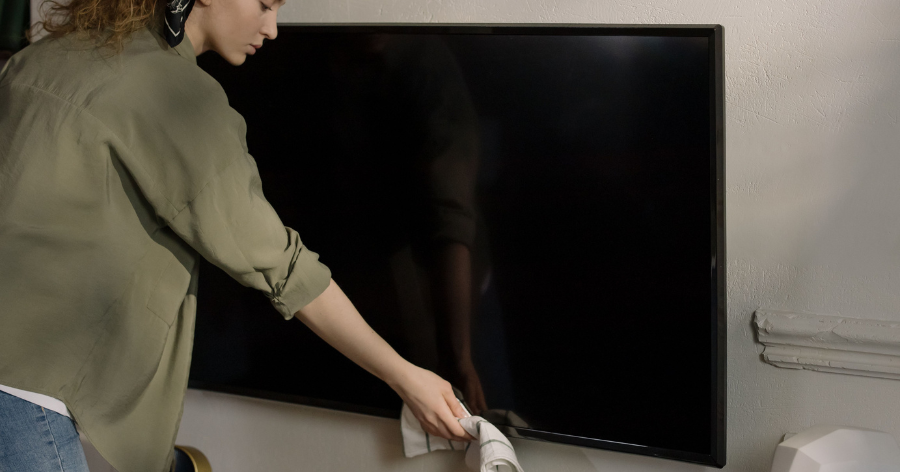
Hitting the road for a while? Make sure your electronics are stored properly.
There’s no question that electronics have been made much, much tougher over the years, but they still do not handle wide fluctuations in temperature very well. Computers, specifically, can incur damage to their batteries, timing function, and electrical resistance, even to the point of making them cease to function. The good news is that Staples accepts old and inoperable electronics for free recycling, and many schools and other non-profit organizations also take donations of used or out-of-date electronics.
3. Wine
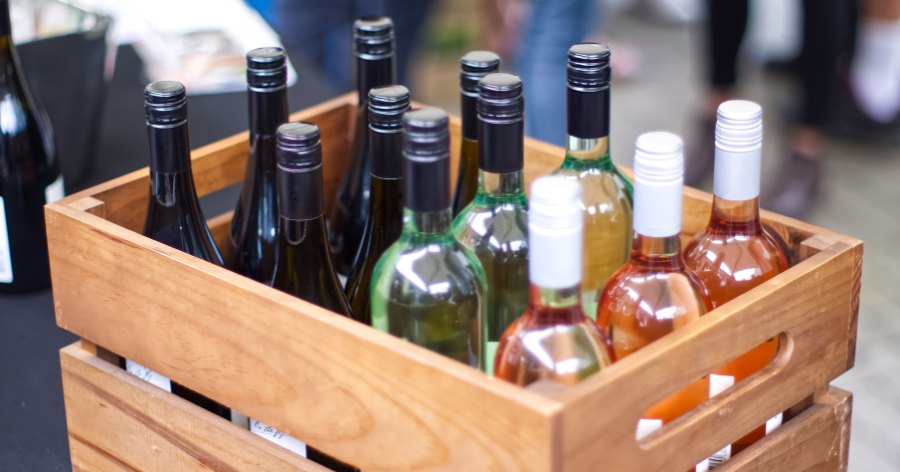
You don’t have to own a restaurant to use climate-controlled storage for wine.
Whether you’re an official wine collector or just a wannabe wino, there’s a chance you’re running out of space for that new vintage you just picked up. Maintaining the correct temperature, humidity, and light are essential in preserving the structure and body of wine. Though a wine cellar may be within your budget, there’s a chance you may not have the right conditions or space to keep your wine stored properly. Many restauranteurs find that wine storage is a better option than storing fine vintages and large boxes of product in their establishments.
4. Paper Materials
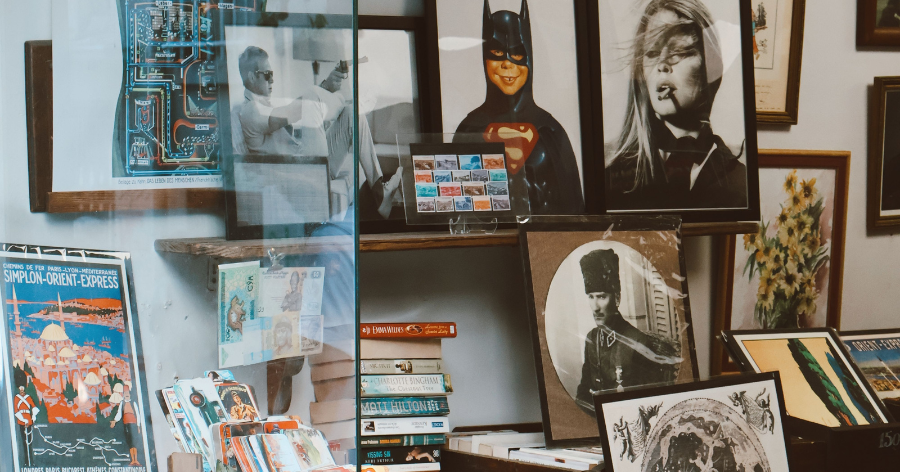
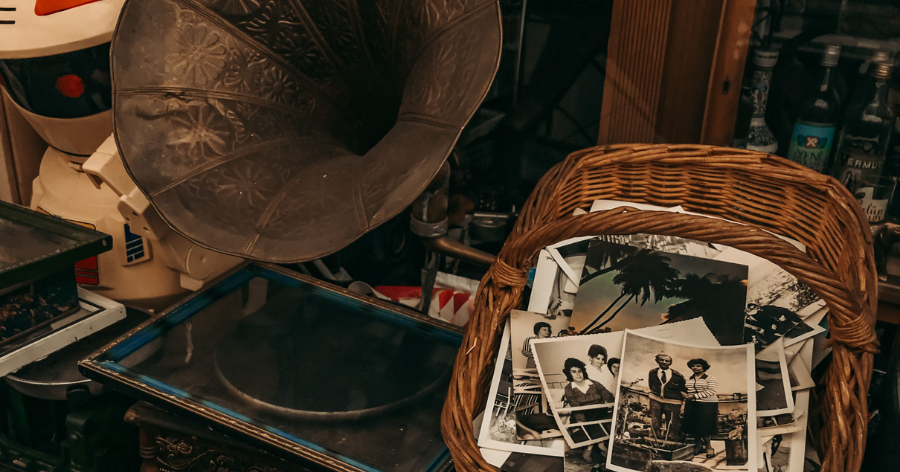
Paper can be subject to changes in certain climates. Be sure to store any paper materials in archival boxes in a climate-controlled storage unit. Storing paper or paper materials (like photos) in a garage or basement can cause cracking or separation of the base layer from the emulsion layer.
5. Vinyl Records, Cassette Tapes, CDs
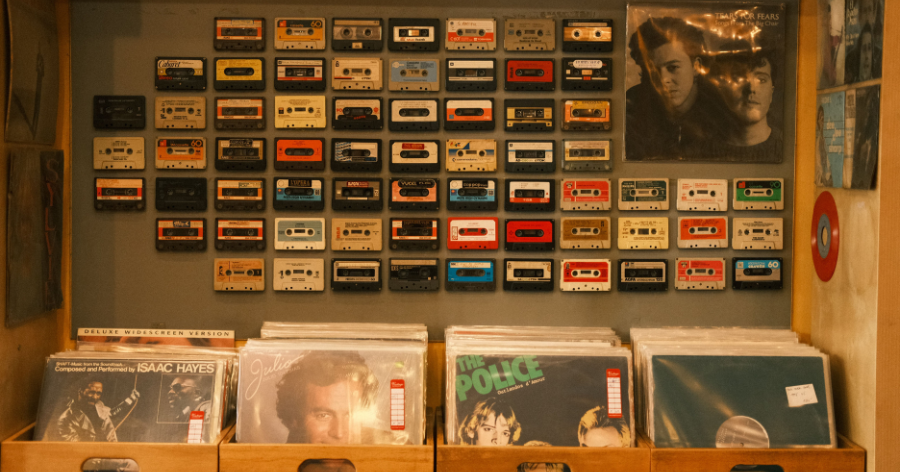
Old tunes need love, too. Keep them in peak condition in proper storage.
If you’ve got any old records, tapes or CDs lying around, and you’re thinking about putting them in storage, definitely opt for the climate-controlled variety. Otherwise, you’re just asking for your sweet sounds to be permanently warped and made unplayable by the variances in temperature and humidity in attic storage. These items are great collection pieces and are definitely worth the extra funds.
6. Vintage Furniture and Antiques
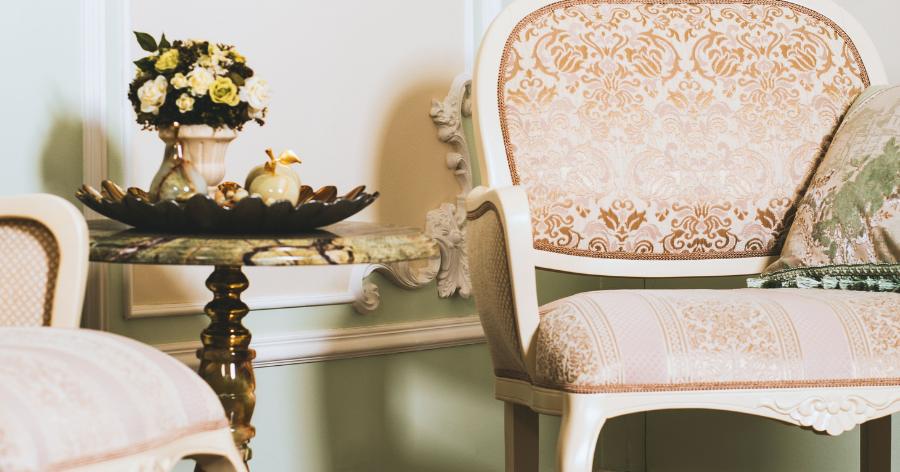
Antiques make your home unique, so when you need to store them, make sure they’re in the right environment.
Though storing furniture in a storage unit is common, certain types of furniture and upholstery do much better in a climate-controlled storage environment. Whether it’s that velvet chair you picked up at a yard sale, or furniture you plan on rehabbing later, you can use climate-controlled storage to keep the integrity of your piece intact. Pro-tip: Ensure that your vintage furniture piece has a protective covering made of an appropriate material, e.g., linen, cotton, or even bubble wrap, to avoid dust while in storage and dings from other items as you move.
7. Musical Instruments
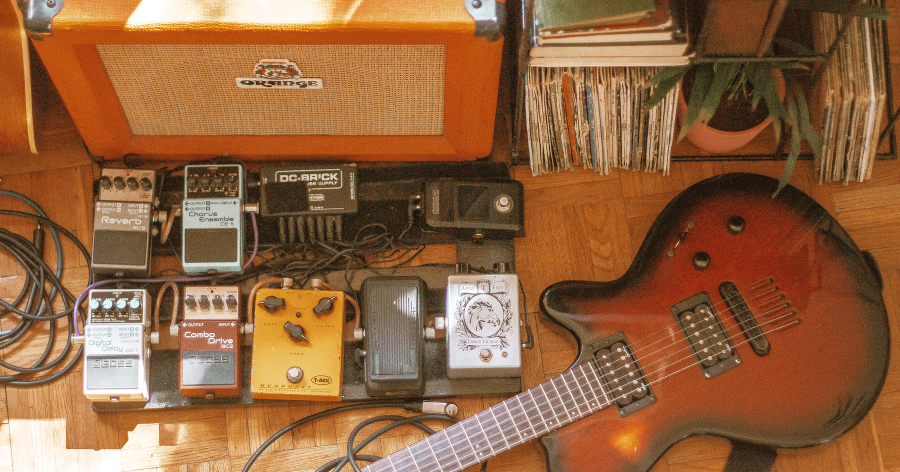
Musical instruments are another item that can definitely require specific conditions to last years.
Regardless of whether you play brass, woodwind, brass, strings, or a piano, musical instruments in general do not take well to changes in humidity or temperature. The wrong conditions can also be a source of damage to wooden instruments, by softening the wood, weakening the glue joints, and even creating permanent deformations in the structure. Your songs will definitely never sound as sweet.
8. Glassware
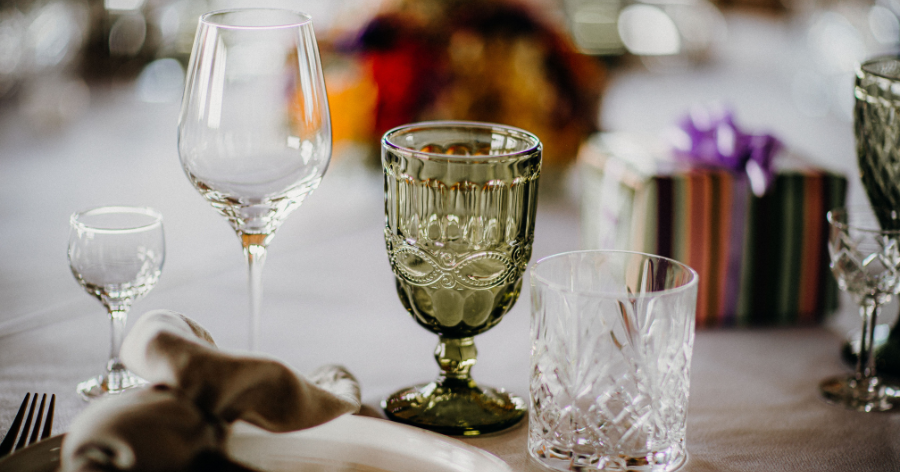
Help your glass last in a climate-controlled storage unit.
Glassware is surprising because most people store it with utensils, plates, mugs, and other dishes that can be stored in variable temperatures. Glass may become brittle and easily breakable if left in freezing temperatures. This goes double for thin glass, like a coffee carafe or flower vase.
9. Leather and Vintage Textiles
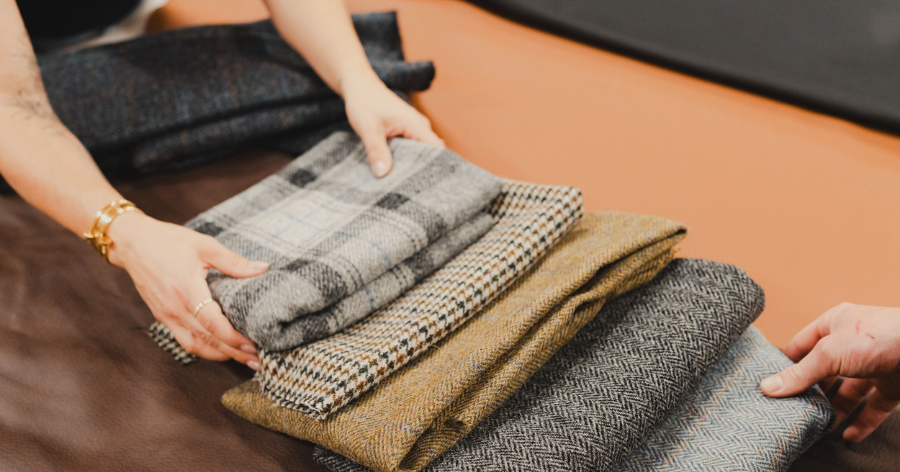
Textiles like leather, linen, and suede can be susceptible to deterioration without climate-control.
More durable clothes like sweatshirts or socks can definitely be stored in sealed containers in non-climate-controlled storage units, but you’re going to want to put the materials and clothing (especially leather, suede or other kinds of animal material) in a unit with more regulated temperatures. Too much heat or too little humidity can dry out leather and vintage textiles, leaving you with unusable pieces on your hands.
10. Appliances
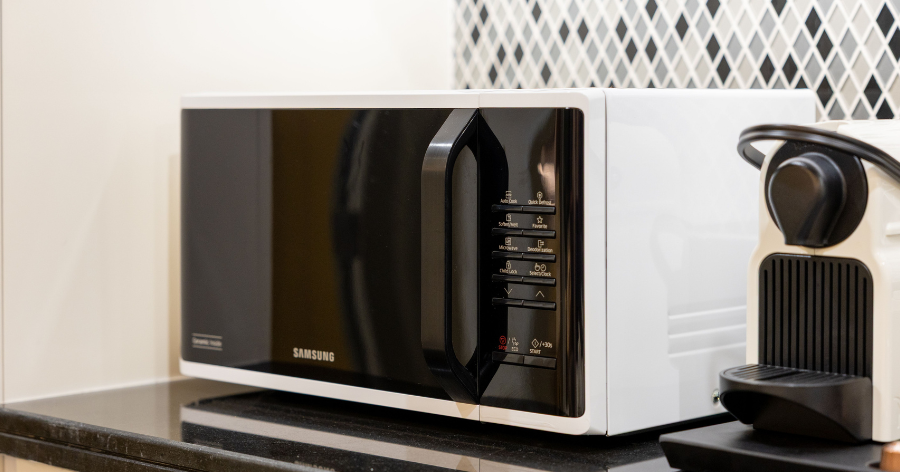
Whether you’re moving, remodeling, or temporarily downsizing, climate-controlled storage can be a practical option for storing household appliances. Before placing appliances in storage, clean and thoroughly dry them to help reduce the risk of lingering odors or moisture buildup. If you’re storing a refrigerator or freezer, leave the door slightly ajar to encourage airflow while it’s not in use. Taking these preparation steps can help keep your appliances clean and ready for use when it’s time to move them out of storage.
With our climate’s ever-shifting weather patterns, the days of being able to count on relatively stable temperatures anywhere in America may be past us. Play it safe by always putting anything that is at all fragile in climate-controlled storage. It’s better to invest now, than to pay the ultimate price of losing the item down the road.