Whether you’re moving or need long-term storage to organize your life or for a passion project, you might be considering renting a self-storage unit for the very first time. If you’ve never sought out a unit to call your own, however, you may not know exactly where to begin. Use this beginner’s guide to show you how to choose the right unit, how to make the most of your storage unit, and how to use our digital tools to make the process as easy as possible.
When Should I Get a Self-Storage Unit?
Whether you’re moving or downsizing, adapting to the needs of a growing business, or anticipating the space demands of an expanding family, there are many reasons why you might be ready to consider renting a self-storage unit. How do you know when it’s the right time?
- A general rule of thumb is if you’re running out of room for your belonings, or you physically can’t declutter the space you do have when you need to, then chances are you should rent a storage unit.
- Before you research storage facilities, it’s a good idea to start making a list of the items you plan to store so you have a good idea of how much space you need (more on that later) and how often you might want to visit your facility—which will help you answer the next question.
How Much Does It Cost to Rent a Storage Unit?
Monthly rates vary by city, neighborhood, unit size, features, and demand. As a general guide:
- Small units (5’x5’, 5’x10’): Ideal for boxes, seasonal décor, small furniture, or a studio’s worth of essentials. Often the most budget-friendly tier and a great starter option if you’re unsure how much space you need.
- Medium units (5’x15’, 10’x10’): Good for the contents of a one- to two-bedroom apartment, including sofas, mattresses, and appliances. Priced mid-range and popular for short moves and renovations.
- Large units (10’x15’, 10’x20’, 10’x30’): Sized for multi-bedroom homes, business inventory, or large equipment. These offer the best value per square foot when you need roomy, flexible space.
Climate control, drive-up access, and premium location can affect price.* Look for online specials and promotions and consider longer stays or AutoPay for additional savings. Reserve early to lock in your rate, especially during peak moving seasons.
Where Should I Rent a Storage Unit?
Location. Location. Location. The best storage facility is the one that’s convenient to where you are, or at least where you plan to be when you use it.
- Begin your search with “CubeSmart Near Me” to find one of our facilities.
- Well-maintained facilities, and features such as extended access hours are important to consider.
- You want to know where to find your holiday decorations, children’s toys, or sales inventory when you need it.
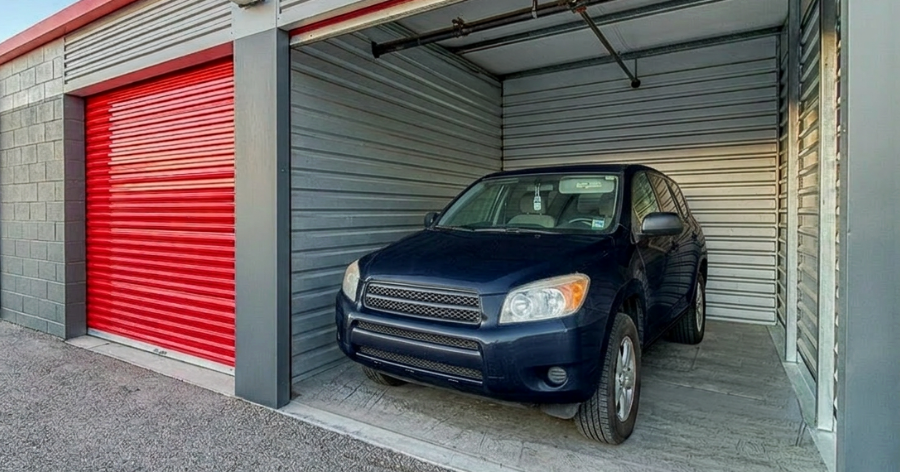
- If you think you might be coming and going with large carloads of goods on a regular basis, you might also want to consider a facility with drive-up access.*
How Do I Know If I Need Climate Controlled Storage?
Some facilities offer indoor and outdoor units; others have a mix of both.
- Whether you need a climate-controlled storage unit will depend on what you’re storing, how long you’re storing it for, and the climate where you live.* For long-term storage, having a climate-controlled unit is especially important to maintain the integrity of certain items.
- If electronics, wood furniture, sales inventory, metals, and fabrics (that includes clothes) are among your items, and you live in an area of the country with fluctuating temperatures, you might want to look for a climate-controlled facility to keep your important belongings in their best possible condition.*
What Size Storage Unit Do I Need?
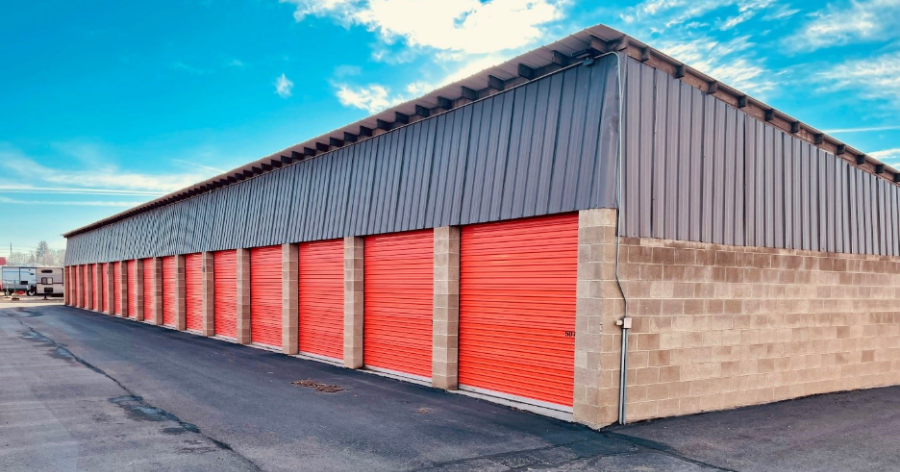
Selecting the right size storage unit can seem like a daunting decision for a first-time renter. Our storage unit size guide should answer most of the basic questions you might have about small, medium, and large storage unit capacity. Along with what will fit in each unit, you’ll learn what size moving truck corresponds with each. In brief: Self-storage units range from 5’x5’ or 25 square feet (the size of half of a hall closet) to 10’x30’ or 300 square feet (the size of a multi-car garage). The cost of your unit will depend on how much square footage you use. However, prices can vary based on location, time of year, and length of stay.
How Long Do I Need a Storage Unit?
Long-term storage means several months or more and can be cost-effective. Typically, those who are between permanent homes, going through major life changes, looking for an extension of their home, or building a business use self storage longer. Many customers looking for long-term solutions want climate-controlled amenities to ensure their stored items can withstand storage over a longer period. Temporary storage is just that and typically used by those who are preparing for a move, in the process of moving, or amid a temporary home project. Whatever your storage need, CubeSmart offers flexible lease terms so you can have your storage unit for as long or as short a time as you need.
How to Rent a Storage Unit Online vs in Person
Online or in person, you can get self storage your way at CubeSmart. Rent online whenever you’re ready, effortlessly and hassle-free. You can complete the entire process wherever you are, using any device. Start by reserving a unit on our website at one of the 1,500+ facilities to lock in your deal. Easily complete your lease online with an electronic signature, using your preferred credit card for your first month’s rent. A welcome email will arrive in your inbox, containing your storage location’s information, directions to the location, your storage unit number, and your personal gate code. In the meantime, CubeSmart teammates will work behind the scenes to make sure your space is ready for your arrival. A high-quality lock will also be provided in the storage unit, ready for use when you move in. If you’d prefer to bring your own lock, you can return the provided lock to the manager for a credit on your account. Convenient storage rentals could not be easier.
How Do I Pack a Storage Unit?
Now that you have the keys to the empty unit, it’s time to start filling it. There are many considerations for packing items and arranging your storage space in a neat, orderly, and convenient fashion. Here are a few basic ones to get you started:
- Clearly label all boxes and include where you’d unpack that box later (a bedroom? A closet? An office?) so that it’s easy to identify and relocate again when needed.
- Use smaller boxes for heavier items and larger boxes for lighter items.
- Seal boxes with packing tape.
- Try storing frequently accessed items toward the front of your unit; less frequently accessed items can be placed toward the rear.
- Break down large items such as bed frames, tables, and other big pieces of furniture before transporting them into your storage unit. Keep all the parts together, including the small screws and other hardware, which can be wrapped in a small bag and taped to a disassembled component of the corresponding furniture.
- Store memory foam mattresses flat or they can lose their shape.
- Use space inside drawers to hold smaller items.
- Think vertically! Consider using shelves, hooks, and racks to maximize space in your unit.
- Always leave a walkway so that you can access your items and see what you have on any given visit.
- Create a detailed storage inventory and keep it in a safe place outside of your unit so that you know exactly what you’re storing.
Avoid These Storage Unit Mistakes
While packing and storing can be an art and not a science, there are some self-storage packing tips that you should follow. Here are a few things to avoid as you proceed that may save you money and time:
- Don’t stack heavy goods on top of lighter goods or leave furniture uncovered. The idea is to store your belongings for safekeeping. That means not leaving them in a manner that could be harmful to their structure or appearance.
- Don’t overfill your unit. With too much stuff in too small of a unit, you will have a hard time accessing your belongings.
- Don’t make towers of items or boxes.
- Don’t rush through packing and storing. You need to have a plan and keep track of what you’re doing. Moving too quickly can result in mistakes and confusion down the line.
- Don’t underestimate your storage needs. When in doubt, go bigger and give your belongings more space for access and more air to circulate around them. This will also keep them in better condition over time.
- Don’t forget your lock. A disc lock or cylinder lock is the industry standard when it comes to locking your storage unit.
Make Your Storage Unit Rental Journey Smooth
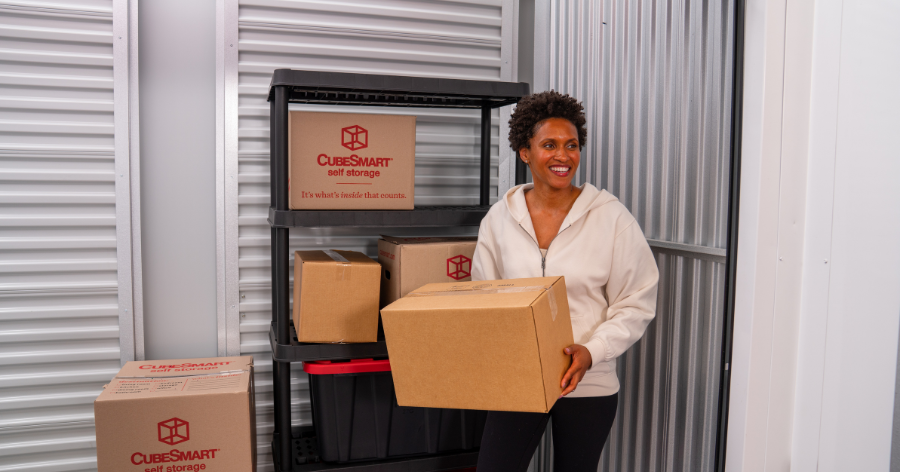
Even with the best planning and packing, a move can be stressful. CubeSmart teammates are here to help should any concerns arise. During facility office hours, the Store Manager can assist you with storage needs or help you purchase any moving and packing supplies you might need. (Let’s face it: No one, in the history of packing, has ever had enough boxes, tape, or bubble wrap on hand.)
Stay Connected
Keep an eye on your account anytime with our mobile app. You can access your gate code, pay your monthly rent, set up AutoPay, check store hours, and reserve and rent new or additional storage units if your needs change. After all, now that you’re a self-storage pro, you may find that this is just the beginning.
*Storage unit sizes are approximate and subject to availability. Temperature and humidity levels within any storage space, including climate-controlled spaces, may vary.