
- At-Home Snowblower Storage Ideas
- How to Store a Snowblower in the Garage
- How to Store a Snowblower in the Shed
- How to Store a Snowblower in a Storage Unit
- Outdoor Snowblower Storage Ideas
- How to Store a Snowblower: Step by Step
- Tips for Long-Term Storage of a Snowblower
- What Is the Best Way to Store a Snowblower?
Sure, snowblowers only come out of hibernation in the winter, but to maximize their lifespan, they need optimal storage all year-round. Proper snowblower storage methods reduce the risk of corrosion, fuel system leaks, and weather-related damage, which can affect the engine and other vital components during the off-season.
If you want to avoid costly repairs and ensure your machine is functional and reliable when winter arrives, this guide has you covered. These practical snowblower storage ideas will make it easier to store a snowblower without taking up too much space.
Snowblower Storage Ideas for Every Type of Home
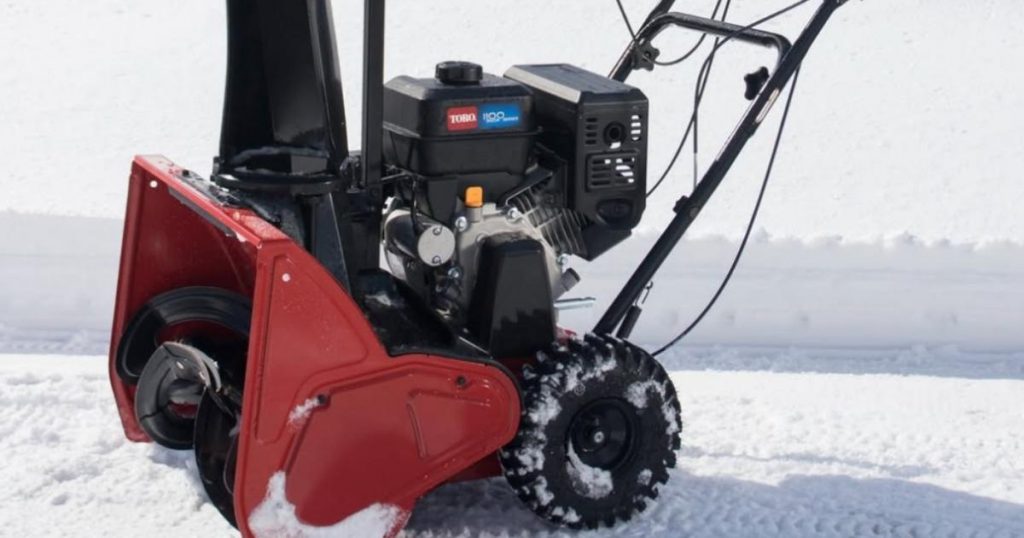
No matter how much space your home has, clearing some extra room for a snowblower isn’t as easy as you might think. Keep reading for our best practices on how to store a snowblower at home, and be sure to consult our winter storage guide for even more seasonal tips.
At-Home Snowblower Storage Ideas
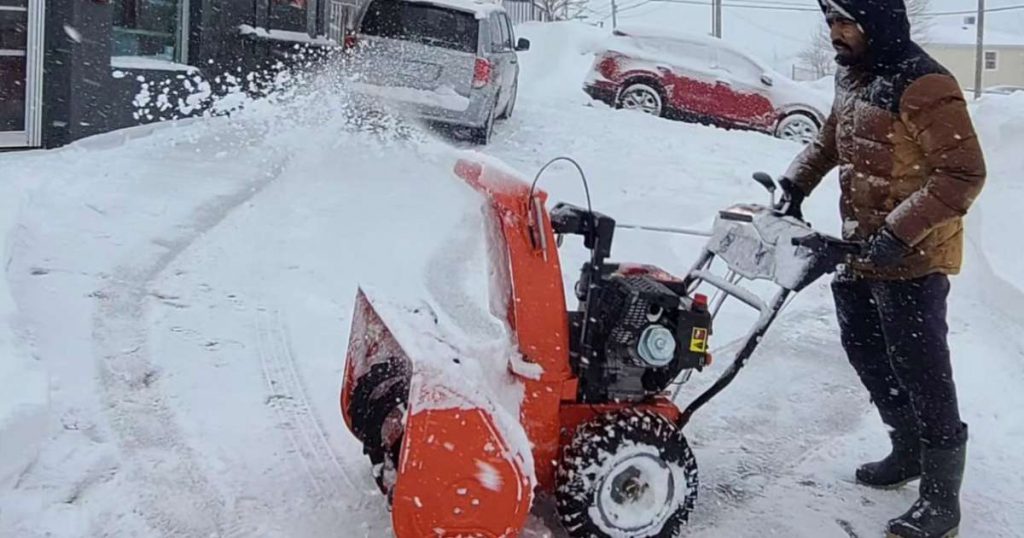
If you’re not sure how to store winter gear like a snowblower, start by considering where you have the most space for large equipment. For most homeowners, the answer will be either the garage or a shed. In some cases, the best option is to rent a small portable storage unit. Let’s dive into the steps for using each of these snowblower storage ideas.
How to Store a Snowblower in the Garage
If you have garage space to work with, a little planning goes a long way in keeping your snowblower covered, accessible, and out of the way.
- Invest in a rolling stand. This will make it easier to move the snowblower as necessary without straining your back.
- Designate a spot for your snowblower in the corner of your garage. This ensures the machine remains out of the main traffic areas, while still making it easily accessible.
- Place a heavy, durable mat on the floor beneath it. This will catch any oil drips, water runoff, or loose debris from the snowblower, so it won’t damage the floor.
- Install shelves on the nearest wall for accessories. This lets you organize small modular pieces like the extension cords, belts, shear pins, and fuel stabilizer.
- Cover the machine with a sturdy but breathable sheet. This will keep it protected from dust, moisture, and extreme climate conditions during the off-season.
- Use ceiling racks or overhead hooks for more storage. Overhead storage is useful for storing bulky off-season items (e.g., ice scrapers, shovels, skis, and poles), freeing up space around the snowblower.
How to Store a Snowblower in the Shed
Storing a snowblower in a shed works well as long as you control moisture, airflow, and ground contact to prevent long-term damage.
- Scope out the most well-ventilated area in your shed. Proper airflow helps disperse fuel-related fumes and stop moisture from collecting on the snowblower.
- Confirm the door, walls, and roof are free of leaks. This prevents precipitation from seeping into your machine through cracks.
- Store the snowblower on a wood or plastic raised platform. Elevating the machine keeps it away from dirt, moisture, or pests.
- Surround it with extra moisture-absorbing materials. These help create a barrier against humidity. Some ideas include charcoal tubs and desiccant packs.
- Invest in a free-standing shelf unit for accessories. A dedicated shelf helps make small modular pieces (like the extension cords, belts, shear pins, and fuel stabilizer) easier to find.
- Cover the machine with a sturdy but breathable sheet. This helps protect it from dust, moisture, and extreme climate conditions during the off-season.
- Install a few vent panels in the door of your shed. Added ventilation improves airflow and minimizes the risk of corrosion, especially during the warmer months.
How to Store a Snowblower in a Storage Unit
A storage unit can be a smart option if space is tight at home, especially when you want to shield your snowblower from temperature swings and clutter.
- Choose climate-controlled storage for maximum efficacy.* This limits exposure to temperature extremes to reduce the risk of corrosion, fuel system issues, and mechanical wear.
- Store the machine on a rolling stand near the entrance. This will make the machine easier to access when winter returns.
- Place a heavy, durable mat on the floor beneath it. This helps contain oil drips, water runoff, and loose debris that might otherwise damage the floor. If storing your snowblower in a storage unit, remove all gas or oil from the snowblower before storing.
- Attach adhesive hooks or shelves to a wall for accessories. Wall-mounted storage helps organize small modular pieces like the extension cords, belts, shear pins, and fuel stabilizer, without leaving permanent marks on the storage unit walls.
Outdoor Snowblower Storage Ideas

If indoor storage isn’t an option for you, you can store a snowblower outside. Just elevate it off the ground, block up the snow thrower attachment, and cover the whole machine with a durable, breathable sheet.
Don’t place the snowblower anywhere that exposes it to direct water or sunlight. Avoid putting it under rooflines or gutters, near sprinklers or irrigation systems, in low-lying spots that collect rain or snow runoff, and areas without shade.
It’s always best to store a snowblower in a clean area away from temperature, moisture, and weather exposure, so consider keeping it in a climate-controlled storage space.* But if you opt for outdoor snowblower storage, here are some ideas for doing it properly.
Elevate a Snowblower Off the Ground
Use a platform made of weather-resistant materials, like concrete, plastic, aluminum, stainless or galvanized steel, or pressure-treated wood, to raise your snowblower off the ground. Not only will that elevation keep ground moisture away from the machine, but it will also improve airflow around your snowblower, helping prevent corrosion.
Opt for Breathable Covers Instead of Regular Tarps
Breathable covers repel water by allowing moisture to wick away and evaporate, keeping the snowblower dry. However, tarps—while affordable, convenient, and weather-resistant—hold in moisture. If you store a snowblower under a tarp, ensure it’s made of ventilated mesh or canvas and secure it loosely around the snowblower so fresh air can circulate freely.
Consider Using a Mini-Shed, Outdoor Storage Chest, or Bike Shed
These small outdoor structures offer a more compact, cost-effective alternative to a larger shed, while keeping your snowblower out of direct weather and away from environmental hazards. If you can’t invest in a standard shed or rent a storage unit, these options may be worth considering.
How to Store a Snowblower: Step-by-Step
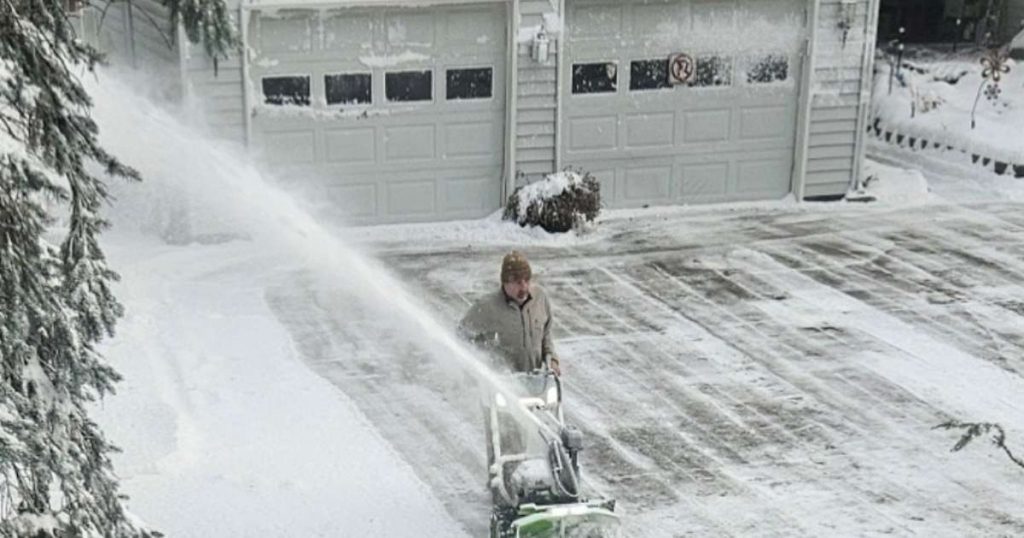
What is the best way to store a snowblower? Whether you’re storing your snowblower at home or in a storage facility, following these steps from the start will help maximize functionality when it’s time to pull your snowblower out of storage.
- Clean the Entire Snowblower
Give the machine a thorough cleaning before placing it in storage. Scrub all the residue (like salt, grime, and snow) from your snowblower’s housing, chute, and auger to prevent it from hardening or retaining moisture that can cause rust.
- Handle the Leftover Fuel
In terms of the snowblower’s fuel tank, you have two options. Either run the engine until the fuel tank is empty or add a fuel stabilizer to the fuel tank and run the engine briefly to circulate it. Both methods will help lower the risk of oxidation, varnish build-up, hard starts, and other malfunctions when you need the snowblower again. Always follow the manufacturer’s recommendations for your specific machine, especially when using ethanol-blended fuel, which can be especially prone to breaking down when it sits unused.
- Lubricate the Mechanisms
Apply lubricant to exposed gears, axles, shafts, chains, and other moving components. Lubrication is a critical defense against corrosion and helps prevent moving parts from sticking together after storage.
- Store the Batteries Carefully
If your snowblower runs on batteries, remove them from the machine and store them in a cool, dry spot (typically between 40–80°F). To extend the batteries’ lifespan in storage, keep them out of direct sunlight and store them partially charged, per the manufacturer’s guidelines.
- Inspect and Care for the Tires
Temperature extremes can affect tire pressure and overall condition, so check the snowblower’s tires for any holes, cracks, or tread wear. Then inflate them into the manufacturer’s recommended tire pressure to reduce the risk of flat spots. Finally, clean the hub and lubricate the wheel axles with an appropriate grease or anti-seize compound to lower the risk of moisture-related corrosion.
- Cover It with a Breathable Sheet
Use a breathable, water-resistant cover to create a solid barrier between your snowblower and the elements, including moisture, dust, heat, debris, and sun exposure. Whether you store it indoors or outdoors, this extra layer can protect against a range of damage.
Should I Run My Snowblower Out of Gas?
As we briefly touched on, there are two ways to handle the fuel in a snowblower before placing it in storage. But should you run the snowblower out of gas, or are you better off using a fuel stabilizer? Here, we examine both options:
Option A: Run the Engine Out of Fuel
Letting the snowblower’s engine run until both its tank and carburetor are empty will prevent old gasoline from deteriorating the system. This minimizes clogs and varnish buildup, ensuring a smooth engine restart in the winter. However, it can also dry out gaskets and seals, so don’t forget to lubricate those components after you purge all fuel.
Option B: Use a Fuel Stabilizer
Pouring a fuel stabilizer into the tank will keep gasoline fresh for months, so you can store the snowblower with fuel still in the tank. The stabilizer acts as a barrier against varnish and other sticky deposits, but this method can also cause problems if done incorrectly.
Add the stabilizer to the tank, then run the engine to circulate throughout the machine. Otherwise, that old fuel will oxidize and create a residue that clogs the system, leading to eventual start-up failure.
Tips for Long-Term Storage of a Snowblower
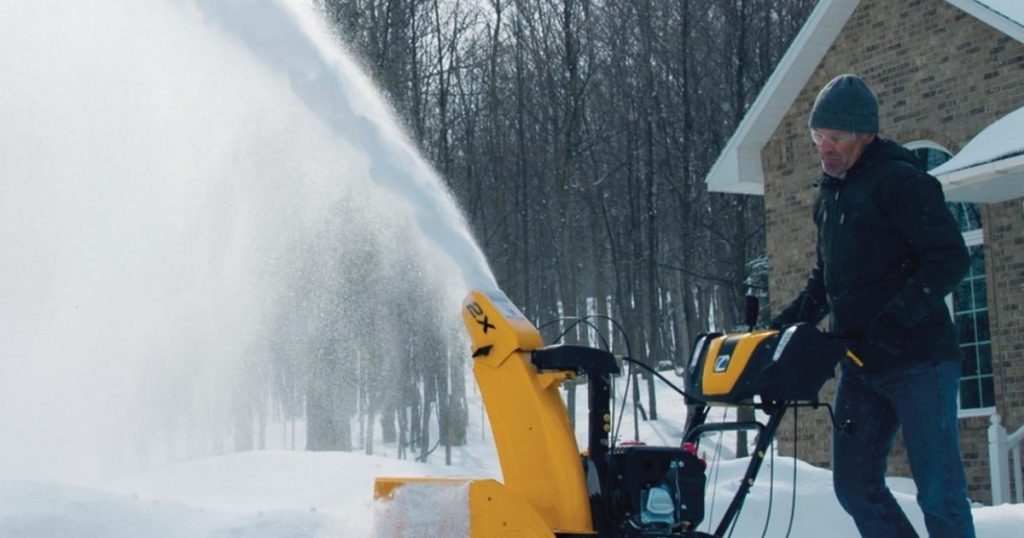
Even if you live in a notoriously cold region, chances are, you won’t need immediate access to a snowblower for about half the year. Here are some useful snowblower storage ideas to keep in mind if you’re planning to stash it away for several months at a time.
Look Into Climate-Controlled Storage*
A climate-controlled storage unit may reduce the snowblower from extreme temperatures, weather, or humidity fluctuations, which can damage metal parts, fuel systems, and internal mechanisms.*
Elevate the Snowblower
Position the snowblower on a sturdy block or platform, so ground moisture can’t seep into the metal components. Raising it a few inches off the ground will also improve ventilation around the machine, keeping it dry and helping prevent corrosion.
Check in Periodically Over the Summer
The long-term storage of a snowblower can last for several months, so resist the urge to set it and forget it—schedule some occasional check-ins. Conduct a visual inspection of the snowblower and storage area about once a month to ensure it’s free of moisture and the cover is intact. With these quick, regular inspections, you’ll catch issues early, ensuring the machine remains in peak condition.
Make Snowblower Storage Easy with CubeSmart
Whether you have just one snowblower or boxes full of winter gear and clothes, CubeSmart offers numerous storage options to suit a variety of needs—from climate-controlled units to small storage lockers.* Find a CubeSmart storage facility near you.
*Storage unit sizes are approximate and subject to availability. Temperature and humidity levels within any storage space, including climate-controlled spaces, may vary.