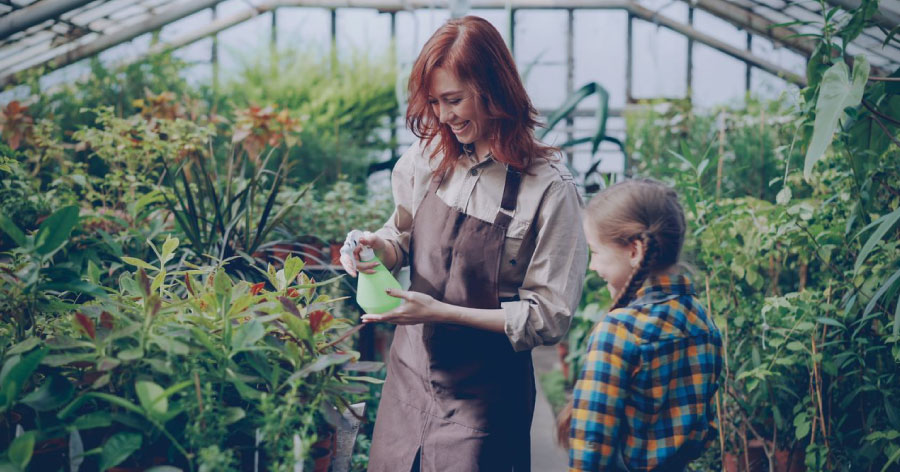
Benefits of Greenhouse Gardening
1. Choose the Right Greenhouse Type
2. Pick the Best Greenhouse Location
3. Plan the Layout of Your Greenhouse
4. Install Essential Greenhouse Equipment
5. Create a Greenhouse Maintenance Routine
What to Grow in a Greenhouse for Beginners
Building your own greenhouse makes it easier to cultivate herbs, fruits, vegetables, and flowers right in your backyard, while shielding them from harsh weather or unpredictable conditions. This rewarding project is also approachable for beginners, since you can customize it to suit almost any budget, space, or experience level. In this guide, we’ll cover the basics of how to set up a greenhouse, the best practices for layout and maintenance, plus practical greenhouse gardening tips, including which plants are best for beginners.
Benefits of Greenhouse Gardening
One of the main benefits of greenhouse gardening is the ability to create and maintain a more controlled environment for your plants. But that’s not the only perk. Here are some of the reasons a greenhouse can often produce healthier plants and higher yields than a conventional ground garden.
- Extends the Growing Season: A greenhouse allows you to curate the right conditions for plants to thrive all year-round. You can adjust the lights, temperature, humidity, airflow, drainage, and other variables to ensure your plants have just what they need, no matter the season.
- Shields Plants from Extreme Weather: A greenhouse will shelter your plants from harsh weather, so you won’t need to cover them with a sheet and hope they survive the storm.
- Minimizes Pests and Diseases: Since most greenhouses are enclosed, they serve as a barrier against common lawn pests, such as rodents or insects.
- Cultivates a Wider Variety of Plants: Because a greenhouse lets you moderate internal conditions, like temperature and humidity, you can grow certain plants that otherwise might not be able to flourish in your local climate. For instance, if you live in a humid region, you can create a drier greenhouse environment that’s more favorable to desert plants, such as cacti and succulents.
- Increases Yields: Consistent, stable temperatures can also help reduce the amount of stress on plants. When they’re not forced to continually adapt to climate shifts, plants can grow at a much healthier, steadier rate. This will often result in a larger harvest and more abundant overall yield.
How Does a Greenhouse Work?
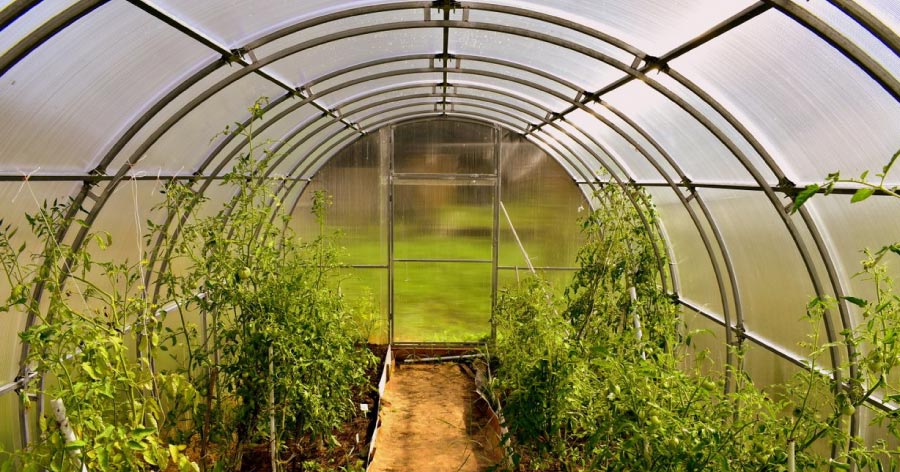
How exactly does a greenhouse work? This type of structure relies on a natural process called “the greenhouse effect,” in which atmospheric gases absorb heat from the sun and trap it in a contained space. This process establishes the ideal temperate environment for sustaining life.
The construction of a greenhouse mimics this same phenomenon. Greenhouses are built with transparent materials, like glass or plastic, so they can harness sunlight and funnel it inside. Here’s a quick rundown of how this all plays out.
- Sunlight Enters the Greenhouse: Natural light waves filter easily through transparent materials. Once the light enters, it can’t escape those glass or plastic walls. Instead, it converts into heat energy that warms the air and seeps into the soil.
- Heat Is Retained in the Structure: This warmth rises from the floor to the ceiling, which forces cooler air back down to the bottom of the greenhouse. This process is known as convection, and it ensures that your plants won’t get too cold.
- Ventilation Regulates the Conditions: Installing a ventilation system in the greenhouse will help reduce moisture, circulate airflow, and maintain a stable temperature, so your plants don’t overheat. Roof or side vents, floor or ceiling fans, and automatic ventilators are excellent options to consider when setting up your greenhouse.
How to Set up a Greenhouse
Building a greenhouse can seem like a daunting project, but once you know the basic steps, it’s actually quite manageable and beginner-friendly.
This tutorial will walk you through how to set up a greenhouse, from the basic framework to continual maintenance.
1. Choose the Right Greenhouse Type
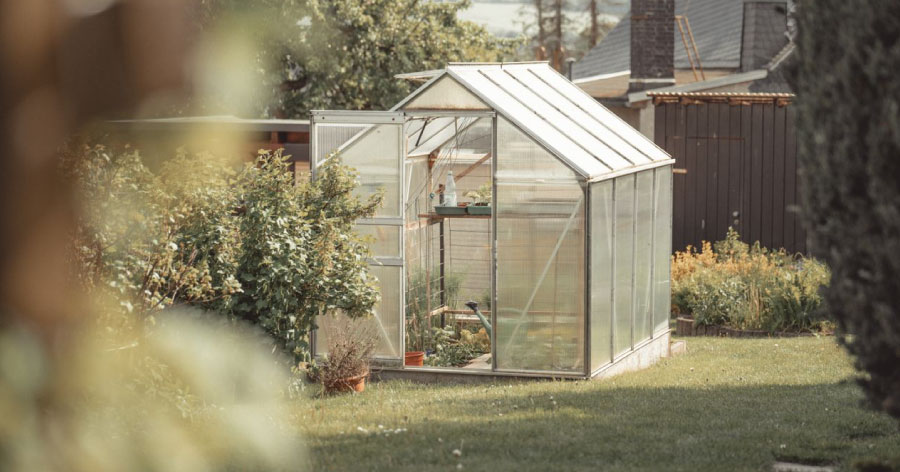
Before you start construction, select the type of greenhouse that works best for you. Whether it’s a lean-to structure, a freestanding model, or any option in between, the right choice depends on your available space, budget, climate, and planting needs.
- Mini Greenhouse: This greenhouse is compact and vertical with narrow tiered shelves, a dome or triangular roof, and a plastic cover around the frame. A mini greenhouse is best for herbs or leafy greens that can grow in small pots.
- Walk-in Greenhouse: This greenhouse is a standalone, tent-like structure with space to comfortably enter, move around, care for plants, and perform routine maintenance. A walk-in greenhouse is best for plants that require a lot of room.
- Hoop House: This greenhouse is made from bending PVC or metal tubes into hoops, then covering them with plastic sheets to form a tunnel-shaped structure. A hoop house is best if you want to tackle this project on a budget.
- Lean-to Greenhouse: This greenhouse is attached to an existing wall of your house or shed, which it uses for both structural stability and heat retention. A lean-to greenhouse is best for maximizing space in a smaller backyard.
2. Pick the Best Greenhouse Location
Where you build the greenhouse has a major influence on plant health. The location should be convenient as well as offer access to the environmental factors plants need. Consider the following as you zero in on the ideal spot.
- Sunlight Requirements: Scope out an area that receives at least six to eight hours of direct sunlight each day to nurture plant growth.
- Water Drainage: Choose a spot on level ground with optimal drainage to move standing water and excess moisture away from the greenhouse.
- Wind Sheltering: Make sure your structure isn’t in the path of strong winds, which can damage the frame, puncture the covering, and harm your plants.
- Accessibility: Look for a location that offers convenient access to irrigation, electricity, maintenance tools, and a garden shed or storage unit.
3. Plan the Layout of Your Greenhouse
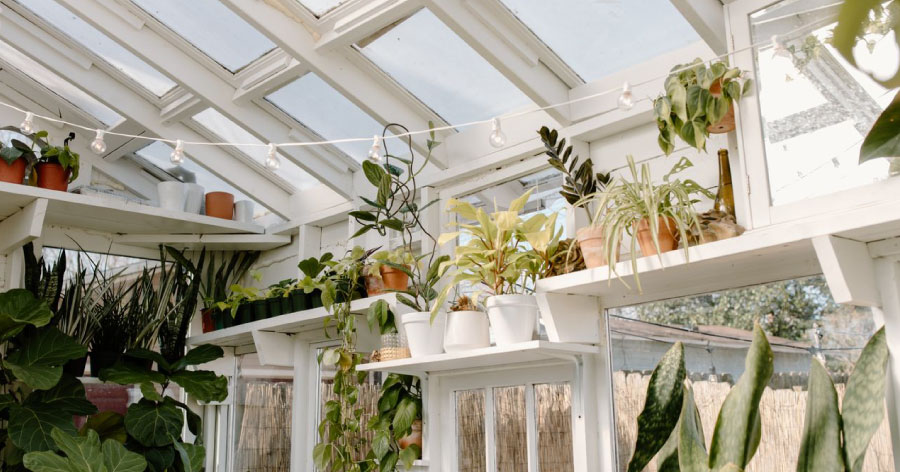
An intentional greenhouse layout will maximize the room you have to grow, while streamlining daily care and maintenance tasks. Map out walkways, planting zones, gardening tool storage, and other structural needs for an efficient, organized space.
- Walkways: Clear an easy-to-navigate path between each planting area to streamline tasks such as watering, pruning, and harvesting.
- Shelving: Install sturdy, accessible shelves inside the greenhouse, so plants can grow at various heights, based on their sun or shade requirements.
- Storage: Set aside an area for storing essentials like pots, soil, fertilizers, and other gardening tools or supplies to minimize clutter.
- Workstations: Include a small, portable workbench where you can do tasks such as potting, transplanting, and propagating.
- Vertical Growing Areas: Use trellises, suspension systems, and wall-mounted planters to maximize the greenhouse capacity without taking up floor space.
4. Install Essential Greenhouse Equipment
Once the greenhouse framework is built, it’s crucial to prioritize the right ventilation systems, temperature controls, and irrigation solutions with the following equipment.
- Thermometers monitor the indoor temperature to make sure your plants have the warmth they need but aren’t overheating.
- Hygrometers measure humidity levels to help you keep the environment free of excess moisture and lower the risk of plant diseases.
- Floor or ceiling fans promote healthy air circulation, regulate temperature, and ventilate moisture, so plants can breathe easier.
- Watering systems automate the irrigation process, so plants receive the right amount of water without you having to do it manually.
- Shade cloths help filter out the sun’s most intense rays, so plants don’t get too hot, especially in the summer months.
5. Create a Greenhouse Maintenance Routine
Establishing a good maintenance routine is one of the key greenhouse gardening tips for promoting healthy plants and successful yields. Establish (and stick with) a consistent routine to ensure the greenhouse runs smoothly and its inhabitants can flourish.
- Perform Daily Visual Checks: Inspect each plant as well as the greenhouse environmental conditions and equipment to catch issues right away.
- Establish a Cleaning Schedule: About once a week, clean all the surfaces, containers, tools, and planting areas to avoid pests, bacteria, or algae buildup.
- Make Seasonal Adjustments: Tweak the heat, shade, ventilation, and irrigation systems as weather patterns shift throughout the year.
- Keep a Gardening Journal: Record inspections and maintenance tasks, planting dates, growth measures, harvests, yields, and other relevant information.
What to Grow in a Greenhouse for Beginners
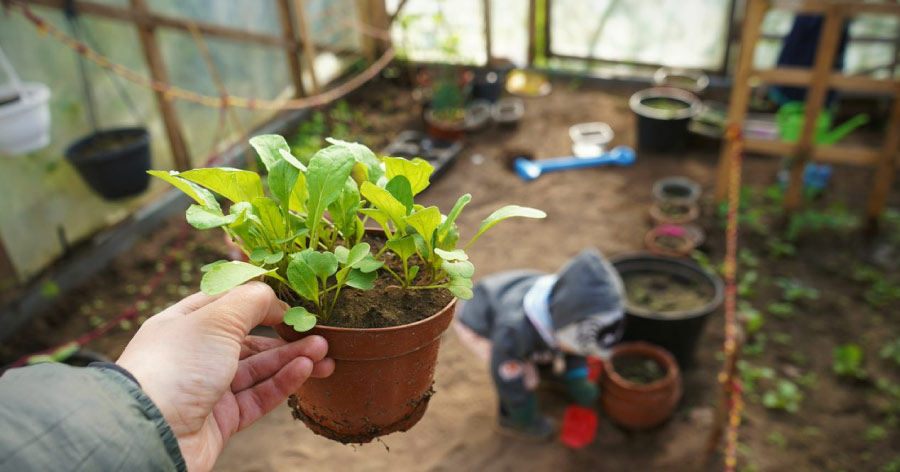
Now that we’ve outlined the main greenhouse gardening tips you need to know, let’s move on to the fun part: choosing which plants will live there. If you’re new to greenhouse gardening, opt for reliable, low-maintenance crops that flourish in controlled environments.
The easiest plants to grow inside a greenhouse are hearty produce that thrive in the warmth. So what should you not grow in a greenhouse? Avoid tall plants that take up tons of space (e.g., corn or sunflowers), cruciferous vegetables that need cool weather (e.g., broccoli or cauliflower), and root vegetables that require deep soil (e.g., carrots or potatoes). You’ll also want to steer clear of mint, which spreads fast and can choke out your other plants.
To help you get started with confidence, here are a few of our personal recommendations of what to grow in a greenhouse for beginners:
Herbs
- Basil
- Parsley
- Oregano
- Thyme
- Cilantro
Vegetables
- Swiss chard
- Peppers
- Green beans
- Cucumbers
- Scallions
Fruits
- Tomatoes
- Strawberries
- Melons
- Citrus
- Fig trees
Make Room for the Perfect Greenhouse with CubeSmart
Whether you want to build a compact greenhouse or a more expansive walk-in greenhouse, the first step of planning a garden or greenhouse is to clear enough room for your ideal setup. Items like gardening tools, lawn equipment, and outdoor furniture can take up valuable space, so it helps to store items you don’t use year-round in an off-site location.
CubeSmart offers convenient storage solutions to accommodate your outdoor living essentials, whether you have things that need climate-controlled storage or you want to transfer some items out of the shed.* Find a CubeSmart storage facility near you.
*Storage unit sizes are approximate and subject to availability. Temperature and humidity levels within any storage space, including climate-controlled spaces, may vary.