Flowers mark life’s most meaningful occasions, yet even the most memorable arrangements always seem to fade too fast. Thankfully, there are easy ways to learn how to preserve flowers and turn beautiful blooms into long-lasting keepsakes. Whether you’re looking to make framed pressed-flower pieces, arrange bouquets in shadow boxes, or create stunning displays in resin, we’ve collected our favorite tips on how to dry flowers and preserve them for years to come.
How to Preserve Fresh Flowers
How do you preserve fresh flowers permanently? While there’s no way to keep fresh flowers in perfect bloom forever, there are techniques to preserve them to last longer. In fact, careful preservation methods can help maintain their shape and color long after they would normally fade.
One option is to hire a professional florist to freeze-dry your flowers. This is a service often done for wedding bouquets and other meaningful occasions. But you can also preserve flowers at home using methods like pressing, drying, or encasing them in resin.
Here are some of our favorite tips on how to preserve fresh flowers at home.
How to Press Flowers in a Book
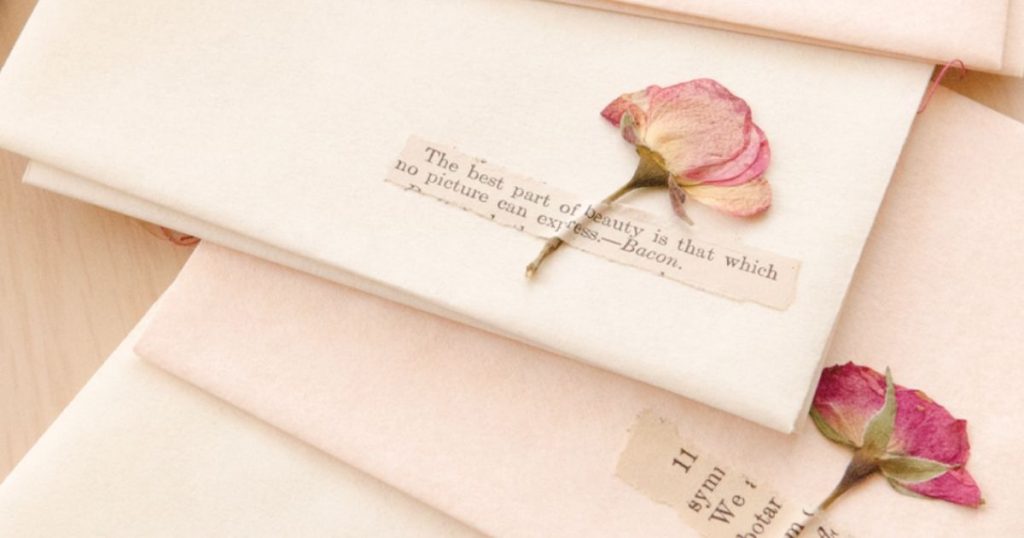
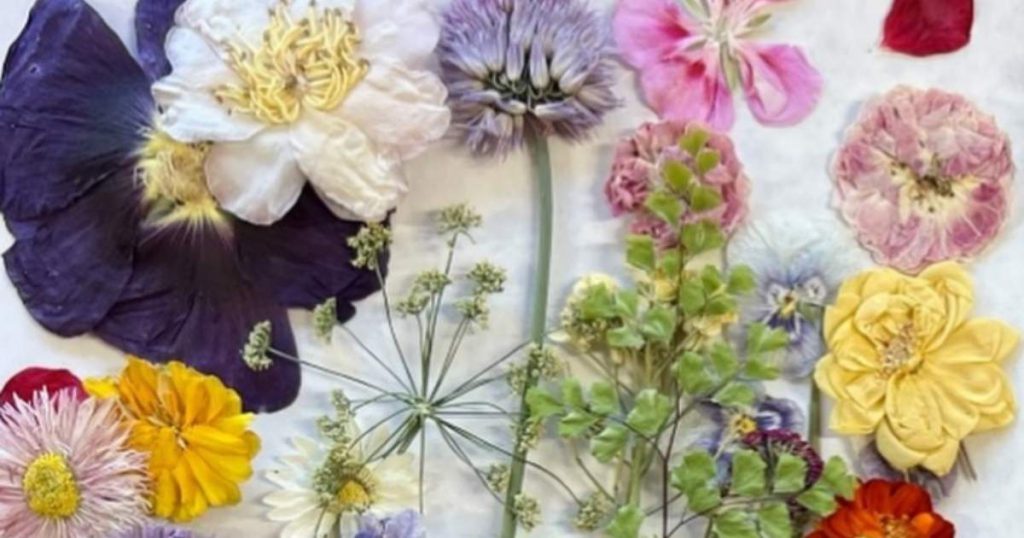
Pressed flowers can be kept in a book or turned into framed art pieces (a great addition to your list of gallery wall ideas). You can also add pressed flowers to handcrafted cards, bookmarks, or other creative projects.
Learning how to press flowers in a book is one of the easiest ways to turn blooms into flat, long-lasting keepsakes. Follow these steps to get started:
- Choose Your Flowers: Flat blooms are best for pressing, while fuller blooms, like roses, are usually best preserved in a book as single petals instead.
- Pick a Book: The book can be any size, but heavier books will apply more consistent pressure to flatten the blooms and force out moisture.
- Add a Barrier: Place parchment or blotting paper between the flowers and your book to prevent vivid colors from staining the pages.
- Arrange and Press: Arrange your flowers, petals, leaves, and stems as you like into the book, then close it. You can stack heavier books on top for a stronger press.
- Wait: After two to four weeks, your pressed pieces should be completely flat and paper-like. Handle them with care.
How to Preserve Flowers in Resin
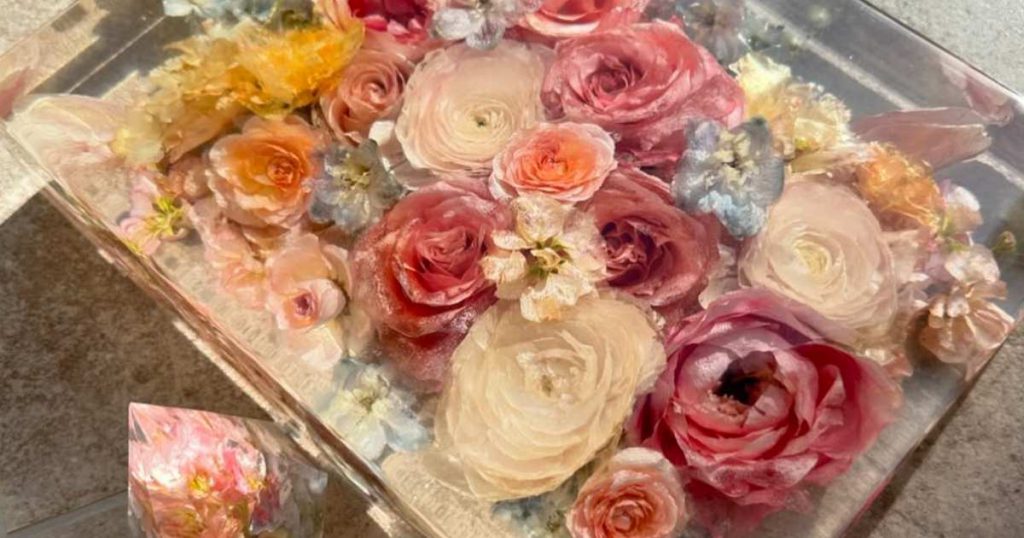
Resin pieces give the illusion of flowers in bloom, suspended in a clear, durable plastic. This method for preserving flowers is a popular choice for creating long-lasting keepsakes such as jewelry, decorative blocks, coasters, and trinket boxes.
Here’s how to preserve flowers in resin:
- Prep Your Space: Use a well-ventilated area to handle the resin and make sure to wear gloves.
- Dry the Flowers First: Dry your flowers completely to avoid cloudiness or issues in the curing process.
- Mix Carefully: Use a high-quality epoxy resin and mix slowly according to the manufacturer’s instructions to reduce air bubbles.
- Pour a Base Layer: Pour a thin layer of resin into a shaped silicone mold and allow it to cure slightly before arranging your flowers.
- Submerge the Flowers: Arrange your flowers onto the layer of resin within the mold. Slowly pour the resin over your flowers until they’re fully submerged.
- Remove Air Bubbles: Use a heat gun to release any air bubbles that rise to the top.
- Allow to Cure: Let the resin cure completely for up to 72 hours in a clean, dust-free environment.
How to Preserve Wedding Flowers
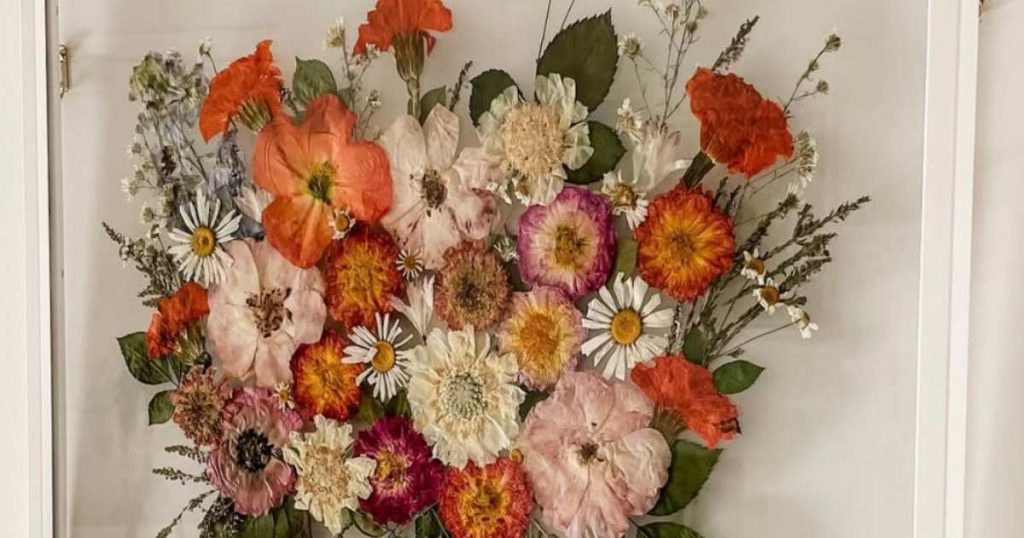
After your wedding, you may opt for professional wedding bouquet preservation services from your florist. But there are also plenty of ways to do it yourself and craft an even more personal art piece.
Here’s how to preserve wedding flowers yourself:
- Choose Your Preservation Method: Some of the most popular ways to preserve wedding flowers include arranging a pressed bouquet in a glass frame, replicating the arrangement in a shadow box, or preserving blooms in resin shapes like blocks or ornaments.
- Start As Soon As Possible: Plan to start the preservation process within one or two days after the event. The sooner, the better.
- Carefully Choose the Flowers: Pay special attention to blooms with vivid colors, and don’t forget about the filler pieces and greenery.
- Dry and Arrange: Dry your flowers thoroughly, then arrange them in your chosen art piece or keepsake.
- Store with Care: Preserved wedding flowers are just one of many wedding decor items that require climate-controlled storage in order to last.
How to Dry Flowers So They Last
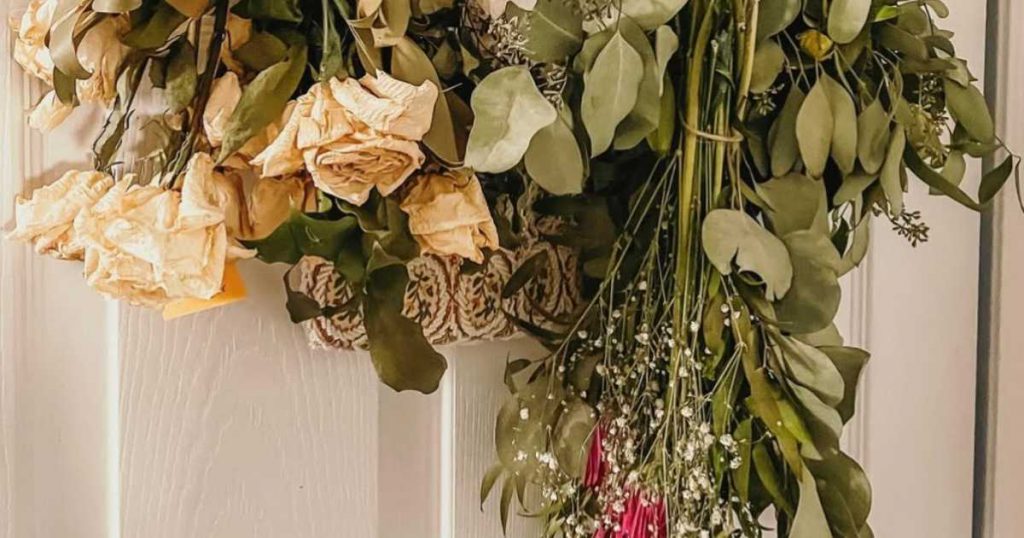
As you learn how to preserve flowers, it’s important to choose the best drying method for your arrangement. Apart from pressing flowers, there are two main ways to dry your flowers: air drying or silica gel. While pressing works better for framed glass art or keepsakes, air drying or using silica gel can help maintain the shape of full blooms for larger displays.
How to Air Dry Your Flowers
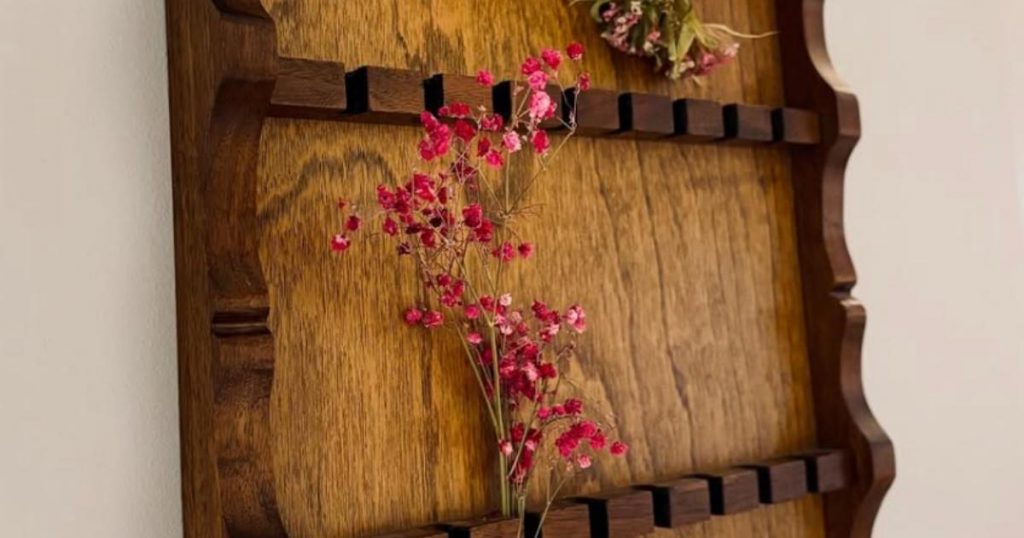
Air drying is one of the most accessible ways to preserve flowers naturally while maintaining their shape and texture.
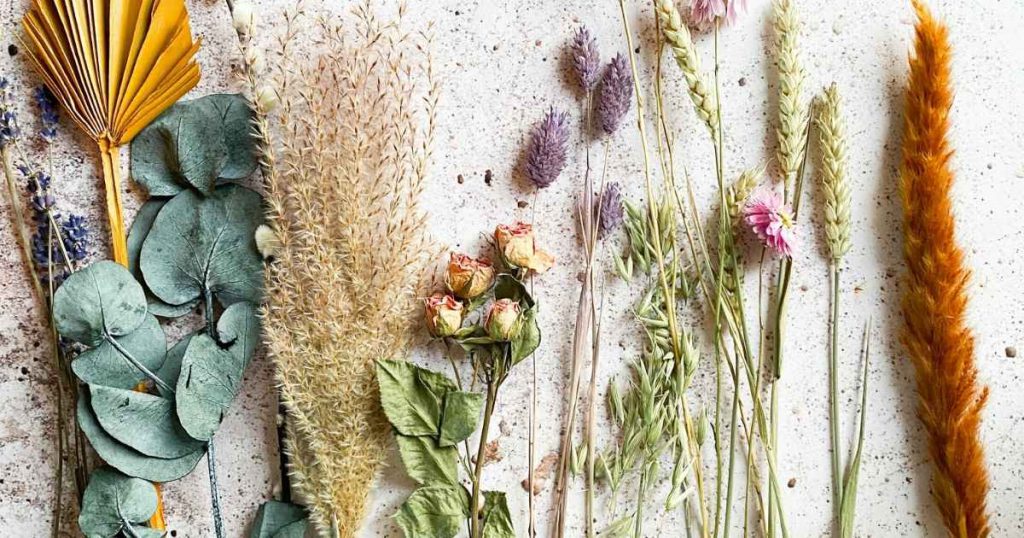
- Choose Your Flowers: Flowers with full blooms that are hard to press, like roses, lavender, and hydrangeas, are great options for air drying.
- Bundle and Hang: Gather your stems into small bundles and hang them upside down to prevent the blooms from opening too much or the petals from breaking off. Keep the bundle in a dark area so rich colors don’t fade too much.
- Allow Time to Dry: Leave them to dry for two to four weeks, depending on how much moisture is in the flower.
- Display with Care: Once fully dried, use the blooms in arrangements, shadow boxes, or other decorative displays. Keep in mind that they will be extremely fragile, so be sure to review our tips below on how to preserve dried flowers.
How to Dry Your Flowers with Silica Gel
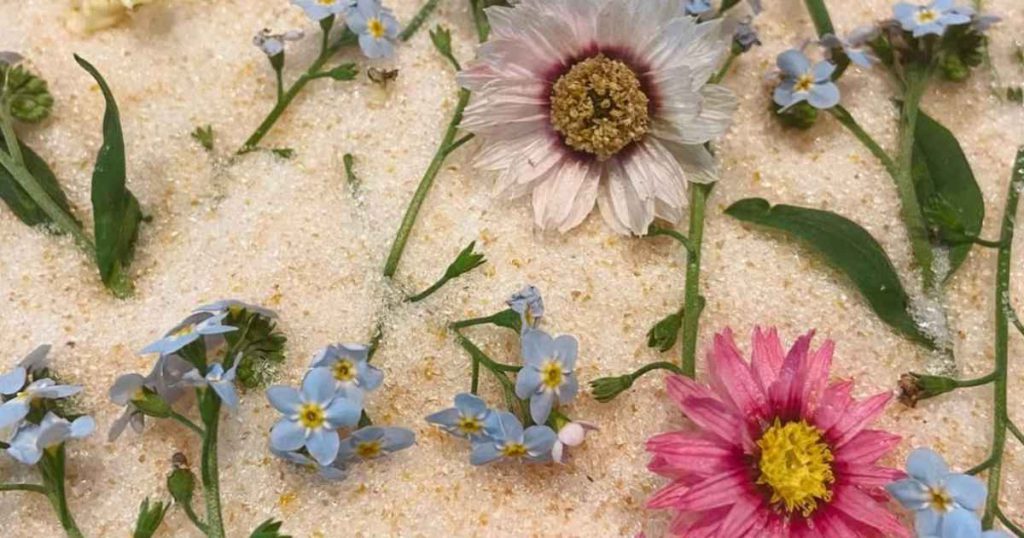
Silica gel is an affordable, reusable material for drying flowers, which can sometimes preserve their color, shape, and finer details better than air drying. This makes it a good option for preserving colorful blooms to display in shadow boxes and resin projects.
- Prepare the Container: Pour a layer of silica gel into the bottom of a clean, airtight container.
- Place the Flowers Carefully: Gently set your flowers on top of the gel. Be careful not to crush the petals.
- Fully Cover with Gel: Add more silica gel over the flowers until they’re completely covered. The gel will draw out moisture from the blooms.
- Monitor the Drying Process: Check the progress every few days. Drying times will vary by flower type and size.
- Remove and Display: Once fully dried, carefully remove the blooms and store or display them as you like.
How to Preserve Dried Flowers
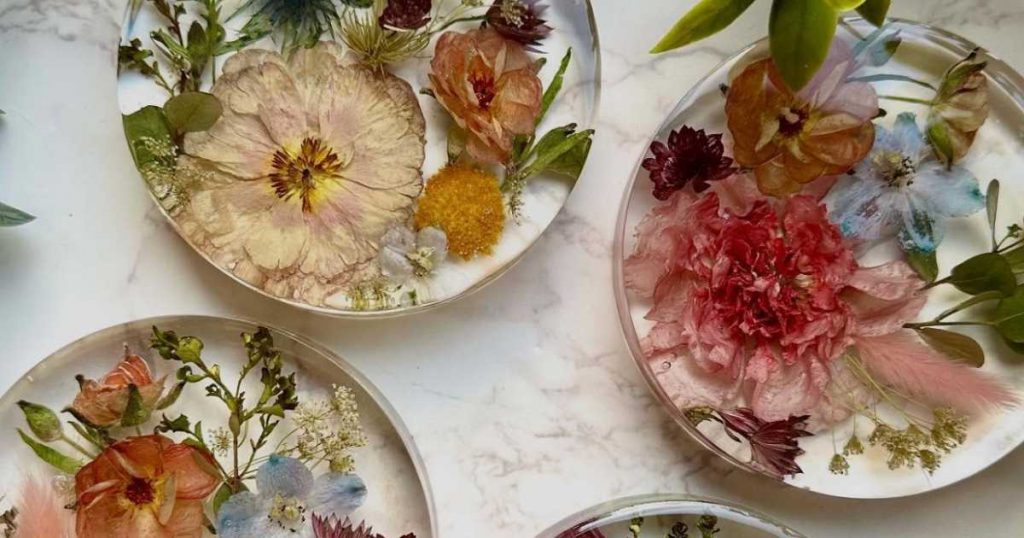
Dried flowers are even more brittle and delicate than fresh blooms; even the slightest bump or force could disintegrate a petal. To preserve dried flowers, handle them gently, especially when transferring them from where you dried them to your display or storage. Here are a few more tips for preserving dried flowers.
- Choose Your Keepsakes: Glass frames and resin encasements can keep the flowers from exposure to the elements, which can cause blooms to decompose over time.
- Use Sealants: You can spray acrylic floral spray sealants or hairspray to preserve flowers; both reduce shedding and deterioration. Apply the sprays in a well-ventilated area, using light, even coats to preserve them.
- Avoid Sunlight: Whether on display or in storage, keep preserved flowers out of direct sunlight, as it can cause their colors to fade quickly.
- Store Your Preserved Flowers Properly: Preserved flowers could be on the list of things that need climate-controlled storage to maintain their color, shape, and integrity.*
Find Storage for Your Floral Memories
With the right preservation techniques, you can enjoy the beauty and memories of your blooms for years to come. Flowers and floral keepsakes that you’re not displaying at home can be kept in self-storage to help them avoid sunlight, moisture, and damage. Find a CubeSmart storage facility near you.
*Storage unit sizes are approximate and subject to availability. Temperature and humidity levels within any storage space, including climate-controlled spaces, may vary.