
Home to more than 300 miles of inland canals and a stunning downtown skyline along the New River, Fort Lauderdale has earned itself a reputation for having all of Miami’s perks without the drawbacks. With everything it has to offer, it’s no wonder that the city ranked among the top U.S. destinations for inbound moves in 2025. Still, you might be wondering, is Fort Lauderdale a good place to live?
For many new residents, living in Fort Lauderdale gives you waterfront real estate, no state income tax, and proximity to the booming South Florida economy. But relocating here can also affect your cost of living, insurance premiums, and housing expenses.
This guide breaks down the numbers, the neighborhoods, and the important information that’ll help you decide whether moving to Fort Lauderdale makes sense for you.
8 Things to Know About Living in Fort Lauderdale, Florida
Living in Fort Lauderdale comes with clear advantages, but it also requires trade-offs you should understand first before you make the move. With water shaping the layout, tourism shaping the economy, and insurance and real estate shaping the cost of living, daily life here looks a little different from many other U.S. cities.
Below are the key factors that define Fort Lauderdale living.
1. The Fort Lauderdale Cost of Living Runs Higher Than Many U.S. Cities

One thing to know about this area is that it’s expensive. The cost of living in Fort Lauderdale is 25% higher than the national average. Fort Lauderdale usually indexes well above that mark, with housing, insurance, and transportation pushing overall costs higher than many midsize U.S. cities. Florida’s lack of state income tax offsets costs for renters, but homeowners still face high property taxes. And don’t forget to factor in the cost of toll roads. On the other hand, if you’re relocating from high-cost cities like New York, San Francisco, or Los Angeles, the sticker shock may feel less severe.
Is it better to live in Miami or Fort Lauderdale? For many, Fort Lauderdale is the clear winner. Not only is it less expensive than Miami, overall, but Fort Lauderdale has many of the same amenities: beaches, boating, and year-round sunshine, to name a few.
What’s a good salary to live in Fort Lauderdale? For a single adult, an annual salary of $54,000 before taxes will cover typical living expenses in Fort Lauderdale. However, $100,000 would be considered a good salary, allowing for a more comfortable lifestyle.
2. The Best Places to Live in Fort Lauderdale Vary by Lifestyle
The best places to live in Fort Lauderdale vary depending on lifestyle and priorities. Some of the best neighborhoods in Fort Lauderdale are known for quiet residential streets and strong schools, while others appeal to young professionals or retirees looking for waterfront living.
Best for Families: Coral Ridge
Coral Ridge is widely considered one of the best places to live in Fort Lauderdale for families due to its single-family homes, well-rated schools, and access to green spaces like George English Park. The neighborhood has a quiet residential feel while still being close to the beach and major shopping and dining areas like The Galleria at Fort Lauderdale.
Best for Young Professionals: Victoria Park
Victoria Park attracts young professionals who want to live near Downtown and bustling Las Olas Boulevard. It’s a mix of updated homes, townhouses, and smaller apartment buildings, providing diverse housing options within walking distance of some of the best restaurants in Fort Lauderdale. And don’t forget about Holiday Park, an incredible green space for jogging, walking your dog, or just hanging out.
Best for Retirees: Harbor Beach
Harbor Beach is one of the most exclusive residential areas in the city, featuring gated streets, waterfront properties, and private beach access through the Harbor Beach Surf Club. Retirees are drawn to its quiet atmosphere, boating opportunities, and access to medical centers and downtown amenities.
3. Fort Lauderdale Is Known as the Venice of America
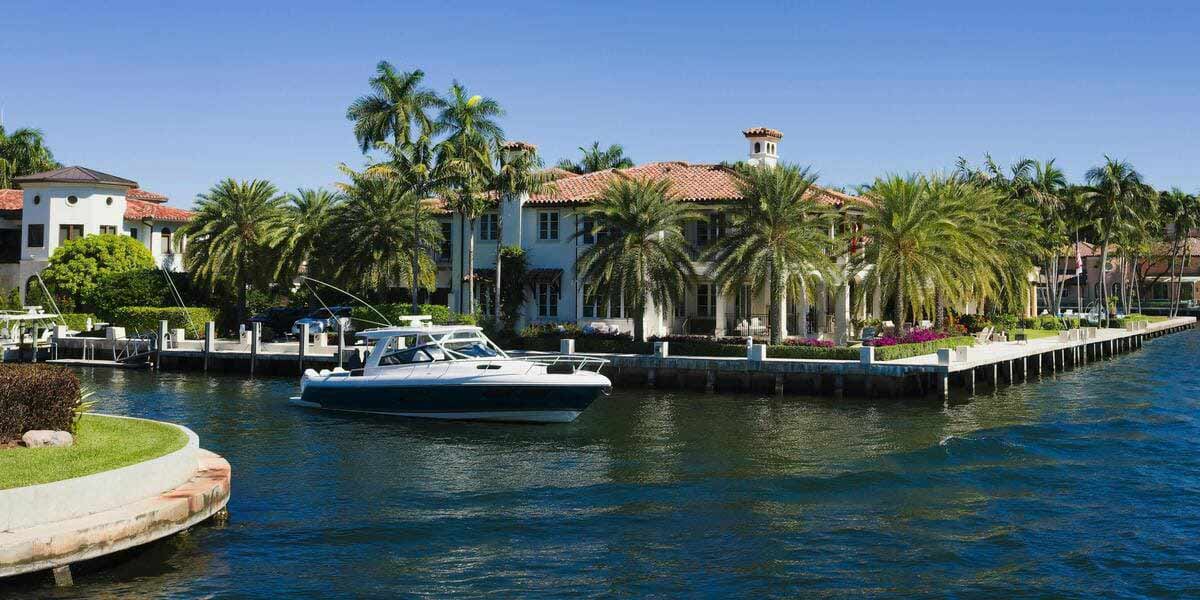
Fort Lauderdale earns its nickname from more than 300 miles of inland waterways that run through residential neighborhoods and along the New River. Here, drawbridges pause traffic for passing yachts, and water taxis are a regular sight. And every year, Fort Lauderdale International Boat Show turns the city into a floating showcase of everything nautical, from center consoles to super yachts.
4. The Fort Lauderdale Housing Market Is Stabilizing After Rapid Growth
The Fort Lauderdale housing market has shifted from aggressive price growth to a somewhat balanced pace. Typical home values remain around $503,000, and monthly rent for a two-bedroom unit averages $3,050. Fort Lauderdale real estate inventory has improved since the peak of pandemic demand, giving buyers slightly more negotiating room than in recent years.
5. Fort Lauderdale Offers Sunny Weather but Also Hurricane Risk
Tropical Fort Lauderdale is not only hot, but its summers are long and humid. From late spring through early fall, daily highs often reach the upper 80s and 90s. However, winter temperatures are quite comfortable, which is one reason many people choose to live in Fort Lauderdale over colder regions.
Storms are part of life in South Florida. Hurricane season runs from June through November. That means a regular possibility of tropical storms and heavy rain.
6. The Fort Lauderdale Job Market Is Diverse
The Fort Lauderdale metro area operates within one of the most dynamic labor markets in Florida. Unemployment falls in the 3% to 4% range. Tourism drives a significant share of local employment, but the economy extends well beyond hospitality. Trade and logistics tied to Port Everglades, professional services firms, health care systems, and marine industries all contribute to steady job activity across the region.
7. Fort Lauderdale Provides Strong Higher Education Opportunities
For families and young adults considering living in Fort Lauderdale, higher education is part of the city’s long-term appeal. Nova Southeastern University, Broward College, Keiser University, and Florida Atlantic University all offer advanced degrees and a slew of campus services. Not to mention, Fort Lauderdale is a nationwide spring break destination.
8. Fort Lauderdale Offers Beaches, Boating, and Arts Within Minutes

Living in Fort Lauderdale means most recreation is always a short drive (or a short boat ride) away. Beach days, waterfront dining, and boating on the New River are all part of everyday life. Here are some popular activities among Fort Lauderdale residents:
- Relax at Fort Lauderdale Beach and enjoy its wide shoreline and a walkable promenade.
- Walk, shop, and dine on Las Olas Boulevard.
- Ride the Water Taxi through the canals.
- Visit Bonnet House Museum and Gardens.
- Explore Hugh Taylor Birch State Park.
- Catch a show at the Broward Center for the Performing Arts.
- Take a day trip to Everglades National Park.
For a deeper look, check out our guide for Things to Do in Fort Lauderdale.
Living in Fort Lauderdale: Pros and Cons
Every relocation decision involves trade-offs. If you’re thinking of living in Fort Lauderdale, the list of pros and cons below can help you decide whether the lifestyle, costs, and climate are right for you.
Below is a clear snapshot of what residents typically value and what requires some adjustment.
Pros of Living in Fort Lauderdale
- No state income tax
- Year-round warm weather
- 24 miles of public beaches
- More than 300 miles of inland waterways
- Strong boating and marine culture
- Access to Miami’s job market without living in Miami
- Various housing options, from condos to waterfront homes
- Established universities and colleges
- Walkable districts like Las Olas and parts of Downtown
Cons of Living in Fort Lauderdale
- Higher-than-average housing costs
- Elevated property insurance premiums
- Hot, humid summers
- Hurricane season from June through November
- Seasonal traffic and tourism congestion
- Higher rental rates relative to many U.S. cities
- Extensive toll roads across South Florida
Tips for Moving to Fort Lauderdale

Moving to Fort Lauderdale involves special challenges because of its geography and weather. Here are some important things to consider before your move.
1. Your commute isn’t just determined by driver density. The city’s extensive canal system is suitable for boat traffic, so draw bridges can occasionally hold up traffic.
2. Hurricane preparedness should be part of your home search. When you’re shopping for Fort Lauderdale real estate, look for storm shutters and impact windows.
3. Living near the water can be a blessing, but it has its trade-offs. In this popular tourist destination, factor in higher costs, parking challenges, and seasonal traffic. This is especially true for homes near Las Olas, the Intracoastal Waterway, and the beach.
4. Make sure to plan for storage. Moving to Fort Lauderdale, where basements are rare, may mean less in-home storage than you’re used to. Renting a Fort Lauderdale self-storage unit can provide additional room for items that don’t fit comfortably at home, especially kayaks, paddleboards, boats, and other South Florida recreational items.
Make Your Move to Fort Lauderdale with Room to Spare
From laid-back canal-front afternoons to lively Las Olas evenings, living in Fort Lauderdale offers a mix of coastal lifestyle and economic opportunity.
If your move involves downsizing, temporary housing, or just needing more space for seasonal gear, CubeSmart can help. With options such as climate-controlled storage and even storage for vehicles and recreational equipment, you can stow what you don’t need right away while you settle into your new home.* Find a CubeSmart storage facility near you.
*Storage unit sizes are approximate and subject to availability. Temperature and humidity levels within any storage space, including climate-controlled spaces, may vary.