- How to Prepare Plants for Moving
- How to Pack Plants for Moving
- How to Transport Plants When Moving
- How to Acclimate Plants After Your Move
- How to Move with Plants Locally
- How to Move Plants Cross-Country
- Moving Plants FAQs
- Make Your Move with Plants Easier
Taking plants with you when you move can bring a sense of warmth and familiarity to a new home. Because they’re living things, it helps to know how to move plants in a way that keeps them healthy during transit and sets them up to thrive.
In this guide, we’ll walk through how to move with plants step by step, from preparation to settling them into your new home.
How to Move with Plants
Moving plants takes a bit of planning, but a few thoughtful steps can make the process smooth as the leaves on a rubber tree.
How to Prepare Plants for Moving
As Ben Franklin taught us two centuries ago, an ounce of prevention is worth a pound of cure; in modern terms, that means a little preparation goes a long way. Getting your plants ready ahead of time can reduce stress during the move and help them settle in more easily afterward.
1. Decide Which Plants Are Worth Moving
Not every plant needs to come with you. Take some time to decide what makes sense for your situation as you think through how to move with plants.
Some plants may be harder to move, including:
- Very large or heavy plants (i.e., you should probably leave behind the trees or oversized indoor plants like fiddle leaf figs or birds-of-paradise)
- Plants that won’t thrive in your new climate
- Common plants that are easy to replace (like pothos or snake plants)
If your priority is convenience, consider keeping plants with the most meaningful memories attached to them and selling or giving others away to friends and family. If you end up with a lot of empty pots after your move, you can keep them in a storage locker until you need them (along with other things that need climate-controlled storage).*
2. Check Local Laws Before Moving with Plants
Before you move, check out your destination state’s Department of Agriculture website for plant transport regulations so you can avoid surprises during transit.
3. Repot Your Plants a Month in Advance
Just like cups and plates, plant pots are fragile and can break during a move. Switching to durable plastic containers can help (and also reduces transplant shock when you’ve finished the move). Choose pots of similar size to reduce stress on roots, and give plants a few weeks to adjust before moving day.
4. Prune, Trim, and Treat Your Plants for Pests
Healthy plants travel better, and sick ones will suffer more. A quick trim and inspection can make a huge difference.
- Remove dead or damaged leaves and any loose debris from the soil surface.
- Check for insects or signs of disease, especially under leaves and along stems.
- Treat any issues before packing, using a gentle insecticidal soap or neem oil if needed.
5. Stop Watering Your Plants a Few Days Before You Move
Moist soil can make plants heavier and harder to manage, and it can also lead to spills. For this reason:
- Water plants normally in the weeks leading up to your move.
- Pause watering a few days before moving day.
- Adjust timing based on your climate and plant type.
How to Pack Plants for Moving

Once your plants are ready for moving day, pack them carefully so they remain stable and contained during transport using the steps below.
1. Cushion the Plant Pots
Wrap plant pots with packing paper or soft materials to prevent shifting and spills during transit. For more delicate containers, add an extra layer around the sides. Make sure each pot sits on a stable, supported base, such as a snug box or surrounded by cushioning, to prevent tipping and sliding.
2. Stabilize the Plant Soil
Loose soil has a tendency to shift during the move, just as dressers and chairs will do if they’re not ratcheted down. Covering it properly helps you avoid dealing with a mess when you arrive.
- Place paper or plastic over the soil surface.
- Cover lightly so air can still circulate.
- Avoid pressing too tightly on the plant.
3. Box Plants Securely
When moving plants, take the following steps to keep them upright in the truck during transport.
- Use sturdy boxes that match the height of the plant.
- Place plants snugly inside their boxes to limit movement.
- Stuff any leftover empty space with packing paper.
4. Label Clearly and Allow for Airflow
Plants don’t stop breathing in the back of a truck, so make sure they have enough airflow.
- Mark boxes clearly as “Live Plants,” making them easy to identify.
- Add small openings for ventilation if needed.
- Keep boxes accessible so they can be unloaded quickly.
How to Transport Plants When Moving
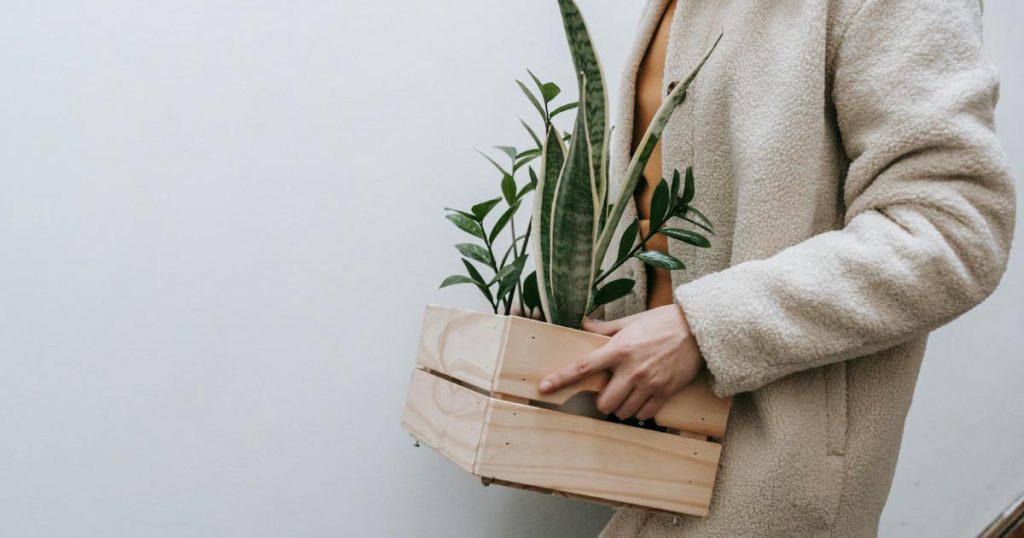
Transportation is probably the most delicate part of the process of moving plants. A stable environment inside the vehicle can help them handle the transition more easily.
1. Keep Plants Upright and Stable
Plants do best when they stay in a single, stable position.
- Place them on flat surfaces.
- Use soft items or packing materials to prevent shifting.
- Avoid stacking heavy items on top of plant boxes or containers.
2. Check Plants During Stops
If your move takes more than a couple of hours, it’s a good idea to check in on your plants every so often.
- Reposition any plants that have shifted or started to tip to keep them upright and secure.
- Check the airflow inside the vehicle and make sure it remains adequate.
- Adjust placement if needed.
3. Limit Travel Time
As with humans, shorter trips tend to be easier on plants. Whenever possible, plan a direct route and avoid unnecessary delays.
4. Maintain Moderate Temperatures
Plants are highly sensitive to temperature changes, especially when they’re big or sudden. Maintain a consistent environment whenever you can, aiming for a range of about 65–70°F.
5. Avoid Direct Sunlight
Plants need light, of course, but too much direct light can stress plants during transport. Place them away from windows where they could be exposed to harsh rays.
6. Unpack as Soon as You Arrive
Plants benefit from getting settled in quickly. Remove any packing materials to let them breathe in the open air, and place your plants in a stable spot as soon as you can.
How to Acclimate Plants After Your Move

Once you arrive, your plants will require an adjustment period. In this section, we’ll offer some tips to do this effectively.
Match Light Gradually and Avoid Sudden Light Changes
Start by placing plants in similar lighting conditions to their previous home, adjusting their position over a week or two as they settle in.
A quick shift to brighter light can stress plants (just as it will hurt your eyes if you move from a dark room into blinding sunlight). Roll out increased light exposure in stages, so they have time to get used to the additional photons.
Check Moisture Before Watering
After the move, it’s best to assess the state of the soil before watering, as too much or too little moisture can stress your plant.
- Check the top inch of soil.
- Water only if it feels dry, the pot is light, or the leaves are drooping.
- Avoid overwatering early on.
Hold off on Fertilizer
Plants may need time to recover before feeding; for this reason, it’s good to wait a few weeks before adding fertilizer during standard waterings.
Maintain Consistent Temperatures
Just as stable conditions are important during moves, consistent temperatures in the new home can help plants adjust more quickly. Keep them away from heaters, cooling units, vents, and drafts, as these can cause rapid temperature fluctuations.
Adjust Humidity If Needed
- Some plants need more moisture in the air, and some need less. You can use trays with standing water nearby to boost humidity in the room.
- Light misting with a sprayer can help in more arid environments.
- If the atmosphere is too humid, consider getting a few dehumidifiers.
Trim Damaged Growth
Moving can lead to minor damage, and removing affected leaves helps plants put more of their metabolic focus on pushing new, healthy growth.
Monitor for Signs of Stress
It’s normal for plants to show some changes after a move. Pay close attention to:
- Drooping leaves
- Leaves falling off the plant
- Slower growth
- Leaf discoloration
If your priority is plant health, adjusting care slowly and incrementally may be the right approach.
How to Move with Plants Locally

Local moves are often simpler because plants spend less time in transit. The additional tips below can help make the process even smoother.
- Water lightly the day before moving.
- Loosely wrap taller plants or plants with longer branches.
- Move plants last so they spend less time huddling in the truck and unload them first once you arrive.
- Use open boxes or crates to keep your plants upright.
- Drive carefully.
How to Move Plants Cross-Country
Long-distance moves require more planning since plants will be in transit longer. These additional tips can help you prepare.
- Check state regulations before transporting plants, as there can be various restrictions.
- Plan for access during the move. If possible, keep plants within reach so you can check soil moisture, airflow, and positioning during stops.
- Do some research on how the climate differs in your new town (humidity, light exposure, temperature swings) so you can adjust your plants’ care.
- Use lightweight, durable containers; even better, keep them in a storage bin or crate so you can stabilize them in transit and reuse the setup later.
- Add insulation for temperature changes (like wrapping pots or using breathable coverings) to help buffer against sudden shifts.
- Plan for a gradual adjustment once you arrive, easing plants into new light and temperature conditions over a few days instead of all at once.
Moving Plants FAQs
How Do You Transport Plants When You Move?
Keep plants upright in a climate-controlled space, ideally on the floor or wedged in a box so they don’t tip. Limit travel time, and check them during stops, especially if it’s hot or cold outside.
Do Plants Go Into Shock After Transplanting?
Some plants will show stress after moving (drooping leaves, slight yellowing). Most bounce back within a week or two if you keep watering consistently and avoid repotting or moving them again right away.
How Long Can Plants Survive in a Moving Truck?
Plants can tolerate a few hours in a moving truck, but anything longer can cause stress due to limited airflow and unfavorable temperatures. If you’re on the road all day, bring them into the car during longer stops and give them a quick check (for soil dryness and airflow) when you can.
Make Your Move with Plants Easier
Moving with plants can take extra planning, but having them brighten and liven up your new home is worth the effort.
If you’re moving in a hurry or you’re limited on space, you might consider storing empty pots until you’re ready to set everything up. CubeSmart offers flexible storage options to fit a variety of needs, including storage lockers and climate-controlled units.* Find a CubeSmart storage facility near you.
*Storage unit sizes are approximate and subject to availability. Temperature and humidity levels within any storage space, including climate-controlled spaces, may vary. Storage of live plants or soil is prohibited.