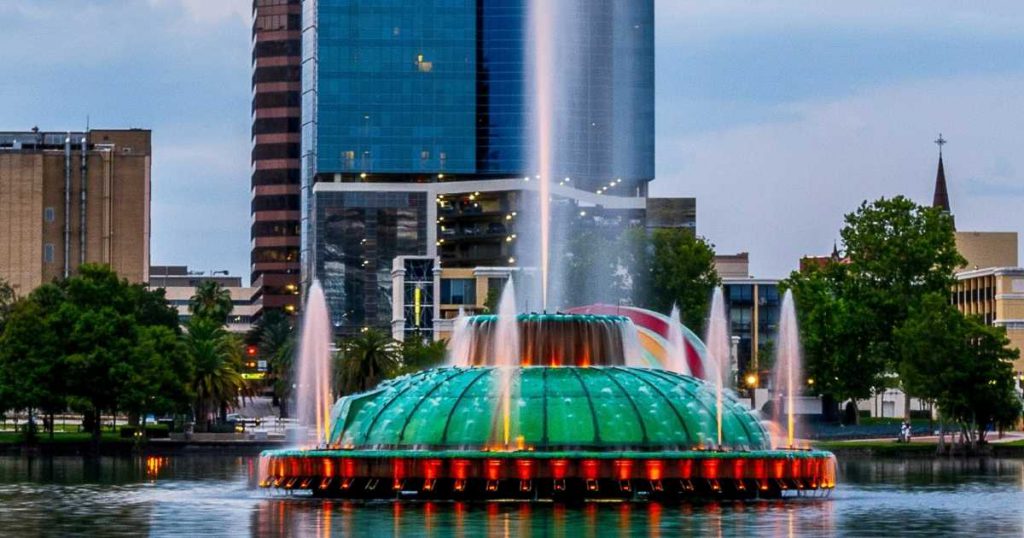
As the number-one fastest-growing metro area in the U.S., Orlando continues to attract new residents for reasons that go beyond the warmth of sunshine. Compared with other major cities across Florida and the U.S., Orlando offers a lower overall cost of living, and homeownership remains more attainable than in nearby metro areas such as Miami or Tampa.
In this guide, we’ll cover the cost of living in Orlando, Florida, what it’s really like to live in the area, and the best places to live in Orlando. You’ll also find practical tips for moving to Orlando, Florida, so you can step into your next chapter better prepared and with a clearer picture of what life is like in The City Beautiful.
8 Things to Know About Living in Orlando, Florida
Living in Orlando means getting familiar with the factors that shape daily life here, like housing, weather, jobs, and traffic. The list below covers the essentials to help you understand what to expect before you make the move.
1. The Cost of Living in Orlando, Florida, Is Lower Than in Many Major Cities

Orlando, Florida’s cost of living is about 8% lower than the national average, making it more affordable than many of the major cities people move from.
What salary do you need to live comfortably in Orlando, Florida? Many residents find that a household income of around $72,000 supports a comfortable lifestyle, depending on housing and commute.
Someone earning $100,000 in Miami would generally need less income in Orlando to keep a similar lifestyle, largely due to its more affordable home prices and rent. Orlando also compares favorably with cities like New York, Chicago, and Washington, D.C., where everyday expenses can be noticeably higher.
There are, however, some Florida-specific costs to factor in. While the state has no state income tax, home and car insurance premiums tend to be higher than the national average. Expect toll roads on common routes and higher-than-average power bills, thanks to A/C demands, as well. Property taxes fall in the middle range compared to other large metros.
2. The Orlando Housing Market Has Started to Cool Off

Orlando’s housing market has eased from the rapid growth of the past few years. The average home value is around $369,000, with prices dipping slightly over the past 12 months. Compared with other major Florida cities like Miami or Tampa, Orlando remains more affordable, especially for buyers looking for mid-range homes.
While prices aren’t dropping dramatically, the market is stabilizing. Inventory has grown, bidding wars have slowed, and buyers generally have more room to make decisions than they did during the peak. Rentals follow a similar trend; monthly rents in Orlando are about $1,600, depending on the neighborhood.
3. The Best Places to Live in Orlando Offer Something for Everyone

If you’re looking for the best neighborhoods in Orlando, the “right” one will depend on your lifestyle preferences and stage of life. Below are three of our favorites. Each offers a different vibe while still giving access to what Orlando has to offer.
Best for Families: Audubon Park
Audubon Park is a popular choice for families, thanks to its quiet residential streets, older single-family homes, and strong sense of community. The neighborhood is known for its local markets, small businesses, and easy access to green spaces like Harry P. Leu Gardens.
The area is close to downtown Orlando without feeling busy. That makes it a comfortable place for families who want a calm, walkable area with plenty of local character.
Best for Young Adults: Baldwin Park
Baldwin Park is one of the best places to live in Orlando for young adults and professionals. Built as a modern, master-planned community, it offers walkable streets, lakeside paths, restaurants, and a mix of town homes and apartments.
Its central location makes getting around convenient, and the mix of shops, trails, and community events gives the neighborhood an active, modern feel.
Best for Retirees: Heathrow
For retirees, Heathrow is often recommended for its quieter pace and well-maintained neighborhoods. Located just north of Orlando, it offers a residential vibe with gated communities, golf courses, and easy access to local services. At the same time, it’s close to everyday essentials, including medical offices, grocery stores, and pharmacies along Lake Mary Boulevard.
4. Seeing Theme-Park Employees in Costume Around Town Is Normal

Because so many Orlando residents work at nearby attractions like Disney World, it’s not unusual to spot employees in costume grabbing a coffee or picking up lunch before or after their shifts.
Depending on where you live or work, you might find yourself next to a wizard, a princess, or a movie character in full gear, something locals rarely react to anymore. For newcomers, this small detail is a fun reminder that Orlando blends everyday living with the energy of the theme-park industry.
5. Orlando’s Climate Brings Heat, Humidity, and a Wet Season

Orlando has a subtropical climate, which means hot, humid summers and mild winters. From late spring through early fall, daytime temperatures often reach the low 90s, and the humidity makes it feel even warmer.
Afternoon thunderstorms are common in the summer months, with quick, heavy rain and frequent lightning. While Orlando is inland, it’s still affected by hurricane season from June through November. Direct hits are rare, but nearby hurricanes that move through Central Florida can still bring strong winds, heavy rain, flooding, and outages.
6. Orlando’s Job Market Is Broad and Steadily Growing

Orlando’s job market extends well beyond the theme-park industry. Hospitality is a major employer. However, the region is strong in healthcare, aviation, and tech, each of which provides year-round stability and steady hiring. The unemployment rate tends to hover around the state average, indicating a market that’s growing without overheating.
For many newcomers, the range of careers is a pleasant surprise. Major hospitals, aerospace companies, universities, and tech firms all have a strong presence here, creating opportunities whether you’re starting fresh or looking to step into a more specialized role.
7. Orlando’s Higher Education Opportunities Are Diverse

Orlando has a well-developed education scene for a city of its size, anchored by the University of Central Florida (UCF). As one of the country’s largest universities, it’s known for standout programs in engineering, hospitality, health sciences, and technology.
Valencia College offers a different route: an affordable, flexible option for students who want to start with an associate’s degree or a more affordable path to a four-year program. Just up the road in Winter Park, Rollins College brings a smaller, more personal liberal arts experience with a strong academic reputation and a campus that feels like its own community.
8. There’s More to Do in Orlando Than Theme Parks

Living in Orlando means access to a huge range of attractions, from major theme parks to quiet outdoor spaces. Here’s just a fraction of what to do in Orlando:
Theme Parks and Events
- Visit Walt Disney World, https://www.universalorlando.com/web/en/us, or SeaWorld.
- Check out seasonal festivals, concerts, and after-hours events throughout the year.
Nightlife and Food Districts
- Explore bars and restaurants in Orlando in neighborhoods like Thornton Park, Mills 50, Winter Park, or Downtown Orlando.
- Catch live music, comedy, or small theater performances around the city.
Art and Culture
- Visit the Orlando Museum of Art, the Dr. Phillips Center for the Performing Arts, or local galleries.
- Enjoy street murals, small music venues, and neighborhood festivals.
City Parks and Outdoor Recreation
- Spend an afternoon at Lake Eola Park or Gaston Edwards Park.
- Try the many walking, biking, or skating trails around the city.
On the Water
- Kayak or swim at Wekiwa Springs State Park, Rock Springs Run, or Blue Spring State Park.
- Enjoy easy access to nearby lakes for paddleboarding, boating, or fishing.
Beach-Going
- Drive about an hour to Cocoa Beach on the Atlantic coast.
- Head west toward the Gulf for Clearwater or St. Pete Beach.
Pros and Cons of Living in Orlando, Florida
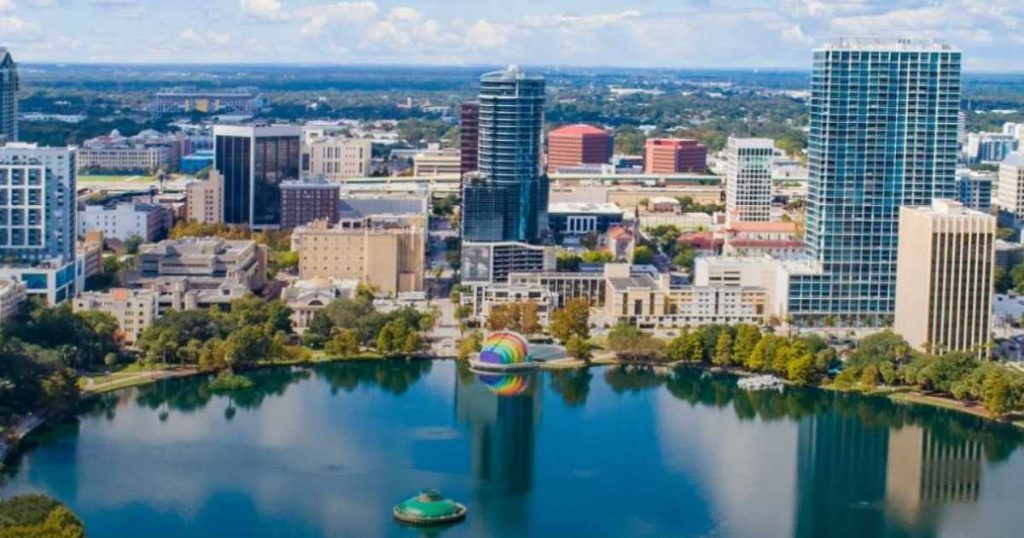
If you’re thinking about moving to Orlando, Florida, it’s a good idea to look at both the everyday benefits and challenges that come with living in Orlando before you make your decision.
Here’s a quick breakdown of the pros and cons of living in Orlando.
Pros of Living in Orlando
- Warm weather and mild winters
- Strong job market across tourism, tech, healthcare, and aerospace
- Plenty of things to do, from theme parks to springs and relatively close beaches
- Diverse neighborhoods with options for families, young adults, and retirees
- No state income tax
- Easy access to lakes, trails, and outdoor recreation
Cons of Living in Orlando
- Hot, humid summers
- Heavy traffic, especially around I-4
- Frequent summer thunderstorms and hurricane-season impacts
- Higher home insurance costs compared with many U.S. cities
- Tourist-heavy areas that can feel crowded during peak seasons
- Toll roads on several major routes
Tips for Moving to Orlando, Florida
The process of moving to Orlando, Florida, will go more smoothly when you have a plan for handling the logistics. The right moving approach makes a big difference in terms of cost, timing, and how much work you’ll take on yourself.
Choosing the Right Moving Service
There are several ways to ship your belongings to Orlando, each with its own trade-offs.
DIY Moving With a Rental Truck
A DIY move is typically the most affordable option, especially for smaller households or shorter distances. You control the schedule, but you’ll also handle all packing, loading, driving, and unloading. It’s a time-intensive approach and longer moves may require towing a second vehicle or arranging transport for it.
Full-Service Movers
Full-service movers handle almost everything for you, from loading and transport to unloading upon arrival. It’s the most convenient option and the least physically demanding, which can be helpful for large homes or cross-country moves.
The trade-off is cost, as this is the most expensive solution. You’ll also need to work with the movers’ usually very rigid schedule.
Freight Trailers
Freight trailers offer a middle ground. How it works: A company drops off a large trailer, you pack and load it, and then professional drivers transport it to your new home in Orlando.
Freight trailer moves are usually more affordable than hiring full-service movers, and you won’t need to drive a large rental truck yourself. You’ll still handle packing and loading, but transportation is taken care of, which can reduce stress during longer moves.
Planning for Storage
Moving to Orlando may require storage, especially if you’ll be taking your time to find the right home. Many homes in Florida are built without basements, which means you may have less room than you’re used to for seasonal items, furniture, or things you don’t use every day.
Because Orlando is a humid city, some people prefer climate-controlled storage* for temperature-sensitive belongings. It also helps to think about the kinds of activities you’ll enjoy once you’re here. If you own or plan to buy kayaks, paddle boards, bicycles, or even a boat, renting an Orlando self-storage unit can help you keep your larger items organized and out of the way, while still being easily accessible when you’re ready to use them.
Get Ready for Your Move to Orlando
Moving to Orlando, Florida, opens the door to warm weather, vibrant neighborhoods, endless things to do, and a lifestyle that blends city energy with outdoor living.
A move to Orlando can come with new routines, new weather, and a different amount of in-home storage than you might be used to. CubeSmart helps simplify your transition with convenient locations, flexible unit sizes, and optional climate-controlled storage* to keep your space manageable from day one. Find a CubeSmart storage facility near you to get started.
*Storage unit sizes are approximate and subject to availability. Temperature and humidity levels within any storage space, including climate-controlled spaces, may vary.