There are several reasons you may opt to store furniture. Whether you’re moving, decluttering, or downsizing, placing furniture in a storage unit is a practical choice. Home furnishings hold up well in everyday environments. However, they can also be affected by changes in temperature and environment, so it’s important to do some pre-work before storing to limit exposure to the elements. Looking to store your furniture for over several weeks or months? We’ve got you covered. Here are some helpful tips to maintain your furniture in storage.
Before you start packing, consider what size storage unit you’ll need to fit your furniture safely with room for airflow and aisles. Use our storage unit size guide to compare options.
Choose Climate-Controlled Storage
Renting a climate-controlled storage unit is a good option when storing furniture. These units are designed to provide a regulated temperature range, which helps keep your belongings over time. Maintaining climate within the unit reduces the risk of environmental factors affecting the quality of the items you have in storage.
Climate-controlled storage units are an excellent solution for keeping your belongings in an environment with a controlled temperature. With numerous locations nationwide, CubeSmart offers convenient and reliable storage solutions designed to meet your specific furniture storage needs. *
Follow these steps when keeping furniture in climate-controlled storage:
Clean All Items Thoroughly
Dirt, debris, and food particles can stain upholstery or mattresses. Before you move your furniture to storage, make sure you clean it.
Cleaning Wood Furniture
- Dust off wooden furniture like tables, chairs, or dressers with a soft cloth or a duster to remove all traces of dirt.
- You can also use a specialty wood cleaning solution or a damp towel to remove stains.
- Make sure all your pieces are completely dry before storing them.
- Use wood polish to ensure the pieces keep their sheen and color throughout their time in storage.
Cleaning Upholstered Pieces
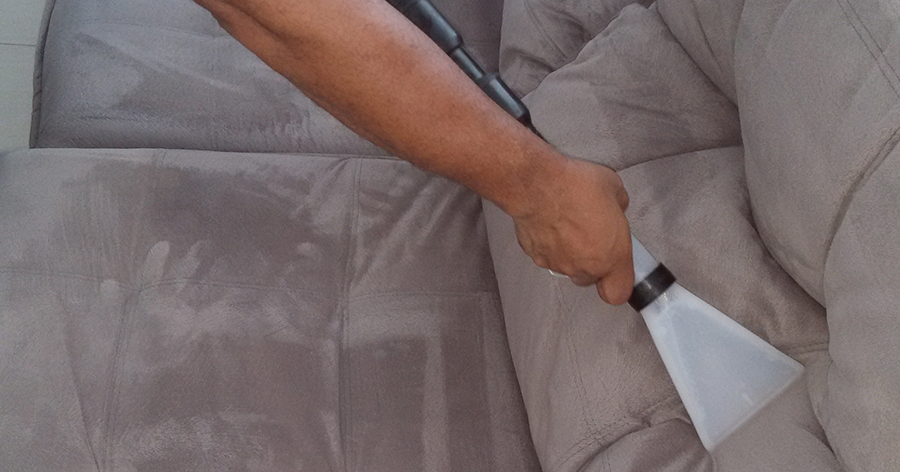
- Be sure to vacuum fabric-lined items like couches and sofas to remove dust and dirt.
- A steam cleaner also works well for upholstered pieces, but everything must be completely dry before you pack them up.
Cleaning Leather Items
- Wipe down leather furnishings with leather wipes or a leather-safe solution and allow them to dry before moving to storage.
Disassemble Furniture Before Storing
Before moving furniture, disassemble all the bulky items you can. This allows for easy transport and makes storage and organization more convenient in the unit, not to mention it can leave you with more room for air circulation and to store more items. Here are some ideas:
- Detach legs from sofas, chairs, and tables
- Remove drawers from chests and dressers
- Separate headboards, mattresses, box springs, and footboards from beds
Remember, each item must have a corresponding bag of nuts, bolts, and screws attached to it, so you don’t end up losing any hardware.
Wrap Your Furniture
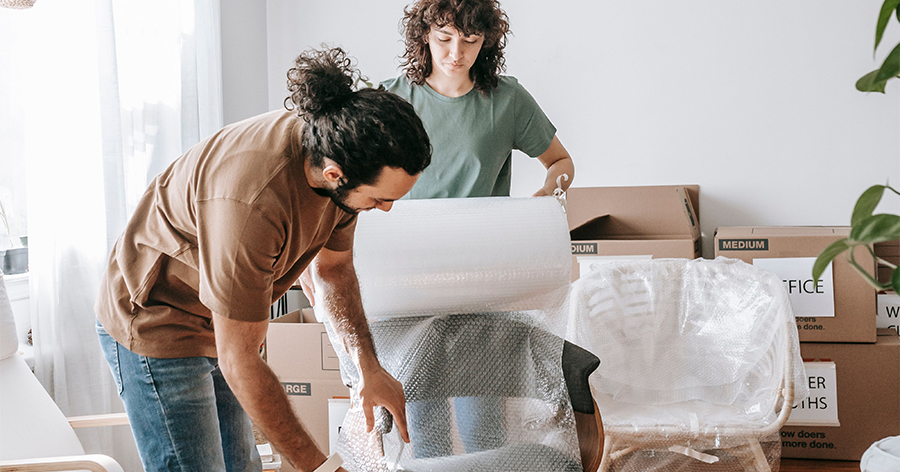
After cleaning and disassembling furniture, it’s time to wrap it up. Bear in mind when packing furniture for storage:
- Place no furniture uncovered in storage.
- Loose blankets, old sheets, and soft fabric coverings are the best for wrapping all types of furniture since they help to protect them from dust and moisture.
- Avoid thick plastic packing.
Packaging Fragile Pieces
Glass tabletops, mirrors, metal furniture, and other fragile items require extra care while packing to protect them from breaking or cracking.
- Use packing paper as the first layer but be sure not to stick tape directly on the glass, as this can leave unwanted stains.
- Next, cover with bubble wrap.
- Place mirrors or glass tabletops in a flat and wide box for extra support.
Moving to Storage
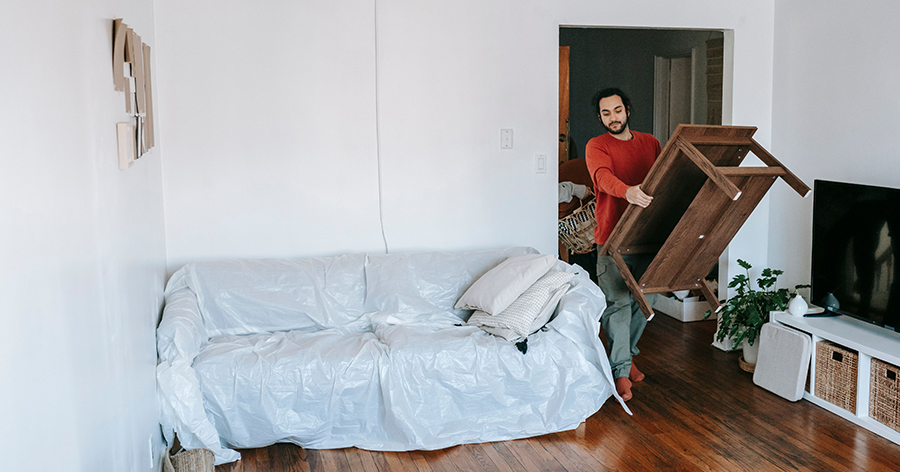
Once you’re all done with prepping and packing the furniture, it’s now time to move it into your storage unit. Before placing items in the unit, raise items off the floor using pallets or cinder blocks. This promotes better air circulation within the unit.
Don’t cram too many items together; instead, plan to store and organize methodically. Stack correctly — with larger and heavier items at the bottom and smaller things at the top. Stacking boxes very high can cause things to fall, so avoid this. Never place sharp items over upholstered furnishings, mattresses, or furniture.
Leave aisles so you can move around freely and retrieve items without having to shift heavy boxes or furniture. Having small gaps around the goods ensures better air circulation. This is especially important if your unit is not climate-controlled.
When storing your items long term, there are a few extra steps you can take to prep your items like getting high-quality materials for packing your items. Consider if specific items, like couches or mattresses, should get extra wrapping before moving in.
How to Prevent Pressure on Furniture When Stacking in Storage
If certain furniture pieces can’t be disassembled before moving into storage, plan to stack them carefully. When stacking furniture in storage, focus on creating a stable setup that evenly distributes weight. Position sturdier, heavier items at the base, and place lighter items on top to maintain balance and support.
- Put heavy, solid pieces (like dressers or tables) on the bottom
- Place lighter or more delicate items (like chairs or small décor) on top
- Avoid stacking items on surfaces that aren’t designed to bear weight
- Keep stacks as even and level as possible to reduce pressure points
- Leave slight space between items to minimize direct stress and friction
Use Padding and Barriers for Added Protection
Adding a buffer between furniture pieces helps reduce direct pressure and keeps surfaces shielded while in storage. Using the right materials can cushion weight and maintain the condition of each item.
- Use furniture pads, blankets, or foam sheets between stacked items
- Add cardboard layers to help distribute weight more evenly
- Avoid direct surface-to-surface contact whenever possible
- Consider using pallets or free-standing shelves to create separation
- Ensure each piece is supported evenly to maintain its shape over time
These simple strategies help keep your furniture properly supported while maximizing your storage space.
Storing furniture is straightforward when you plan. Use these tips to help keep your pieces well-maintained. When you’re ready to store, we have many CubeSmart locations across the country which offer a great way to store your furniture. With a wide variety of storage unit sizes and climate-controlled options, you can choose the perfect fit for your belongings.*
*Storage unit sizes are approximate and subject to availability. Temperature and humidity levels within any storage space, including climate-controlled spaces, may vary.